
Mobility assistance for MS and Parkinson's
Portable exoskeleton providing motorized assistance for walking to reduce fatigue and support daily autonomy.
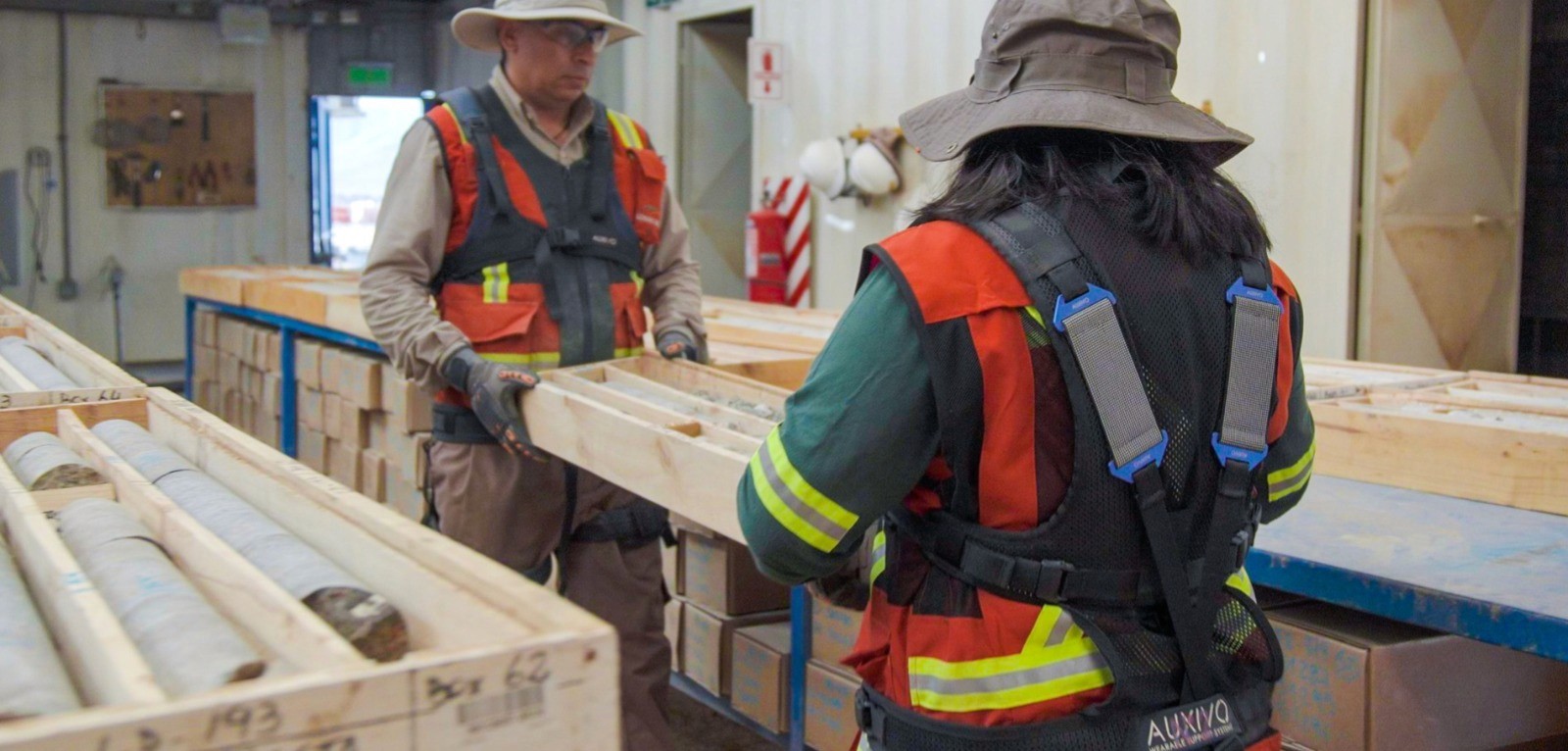
Reduce fatigue and MSDs in mining environments with the LiftSuit, a lightweight lumbar exoskeleton that reduces back effort by up to 33%.
The construction sector is known for its high physical demands. Among the most sought-after trades, ceramic installers are particularly exposed to forward-bent postures, repetitive bending, and prolonged kneeling work.
These biomechanical constraints, when repeated daily, directly contribute to the onset of lower back pain, muscle fatigue, and musculoskeletal disorders (MSDs), one of the main causes of absenteeism and loss of skilled labor in construction, in Canada as well as in Quebec.
In this context, industrial exoskeletons emerge as a concrete ergonomic solution, complementary to traditional prevention measures.
A company specialized in floor preparation and ceramic installation has recently undertaken an initiative aimed at improving the health and safety of its workers. Aware of the risks associated with repetitive tasks and constrained postures, the company has explored portable ergonomic solutions adapted to construction site realities.
After initial contact at a trade show and an initial trial of the exoskeleton, a pilot project was set up on-site to assess the real impact of a lumbar support exoskeleton under real working conditions.
The LiftSuit, a passive exoskeleton designed to reduce the biomechanical load at the lower back, was tested by four workers over several weeks.
preparation of floor surfaces
spreading of screed
ceramic installation
extended work in a forward-bent posture
perceived reduction in lower back pain
decrease in muscle fatigue at the end of the shift
improvement in comfort and postural maintenance
good acceptance by workers
“The LiftSuit really helps reduce fatigue and pain in the lower back, especially during screed and ceramic installation work.”
— Worker, construction sector
Despite minor adjustments related to equipment organization, the overall feedback was very positive. Following the pilot project, the exoskeletons were integrated permanently into the work equipment.
The construction industry faces several structural challenges:
shortage of skilled workers
aging workforce
increased costs related to workplace injuries
difficulties retaining experienced employees
Lower back pain and MSDs often develop gradually, with long-term impacts: work stoppages, treatments, reduced functional capacity, and early retirements.
In this context, industrial exoskeletons fit into a proactive prevention approach aimed at supporting working capacity in the long term.
The integration of a solution like the LiftSuit can generate several advantages for construction companies:
reduction of absences due to pain and injuries
improvement in retention of experienced workers
increase in the company's attractiveness as an employer
support for the sustainability of careers in physical trades
complement to occupational health and safety programs
The goal is not to increase the workload, but to reduce the physical strain associated with the most demanding tasks.
The LiftSuit stands out for its characteristics particularly adapted to the construction environment:
passive exoskeleton (without battery or electronics)
approximately 30% reduction in lumbar muscle effort
equivalent assistance up to 55 lbs
targeted use during demanding tasks
simple integration with existing equipment
“It’s a concrete, simple, and effective tool to support workers on site.”
— Team leader, construction
The on-site experience of ceramic installers demonstrates that ergonomic exoskeletons can play a key role in preventing MSDs and improving working conditions in construction.
By investing in adapted ergonomic solutions, companies contribute to:
protecting the health of their workers,
extending career durations,
reinforcing the resilience of their workforce.
A field trial remains the best way to validate the real benefits of an exoskeleton in your operational context.
Contact us to discuss a pilot project or a trial rental.
Portable exoskeleton providing motorized assistance for walking to reduce fatigue and support daily autonomy.
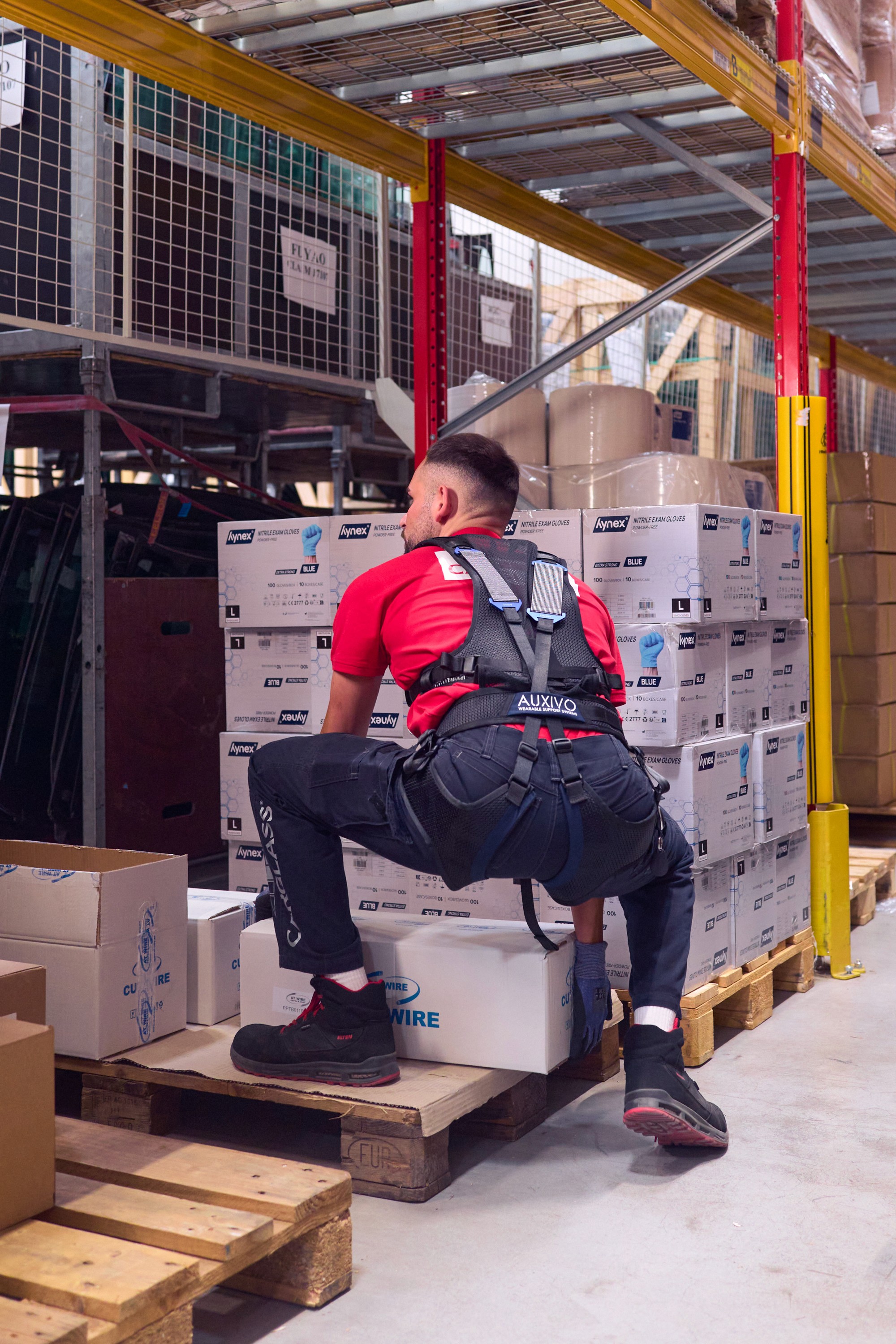
Discover how industrial exoskeletons help reduce fatigue, prevent injuries, and protect your workforce in distribution and logistics environments.