
Mobility assistance for MS and Parkinson's
Portable exoskeleton providing motorized assistance for walking to reduce fatigue and support daily autonomy.
Discover the truth about exoskeletons and how these technologies have become practical and effective in various professional sectors.
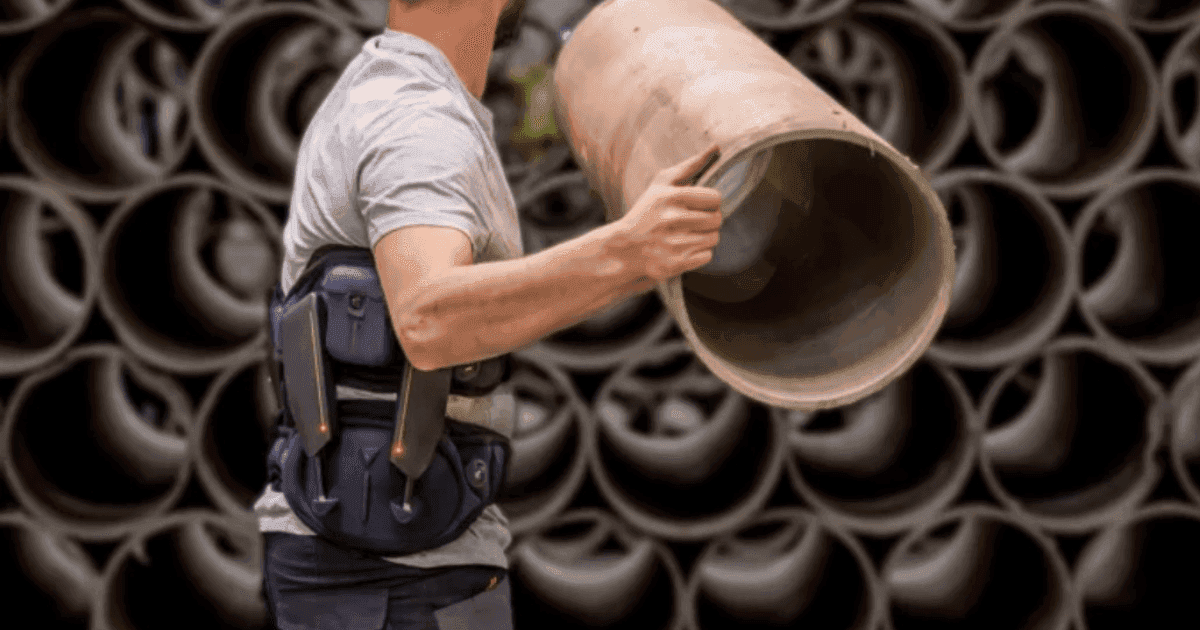
When it comes to exoskeletons, many imagine heavy and cumbersome structures that are difficult to adjust and impractical to use. However, this perception is increasingly far from reality. Recent technological advancements have enabled significant progress in the design and optimization of exoskeletons, making them lighter, more compact, and easier to use.
Historically, exoskeletons were often associated with significant weight and complex adjustment systems. These characteristics limited their adoption, particularly in environments where mobility and comfort are crucial. However, manufacturers have recognized these limitations and have made concerted efforts to improve these aspects.
Engineers and designers have focused on using lightweight and durable materials such as aluminum alloys and carbon fiber composites. These materials allow for a significant reduction in the weight of exoskeletons without compromising their durability and effectiveness. As a result, there are now exoskeletons that weigh less than 5 kg. This weight reduction makes them more manageable and less tiring for the user to wear.
Another key area of improvement has been the simplification of adjustment systems. Earlier models often required meticulous and frequent adjustments, which could discourage regular use. Manufacturers have therefore worked on more intuitive and faster adjustment systems, allowing for easy adaptation to different body types and needs.
Some of the latest models are equipped with automatic adjustment systems that adapt to the user in real-time. Others include user-friendly interfaces allowing for precise adjustments with minimal effort. These innovations contribute to making exoskeletons more accessible and practical for everyday use.
With these improvements, exoskeletons are becoming increasingly popular in various professional sectors. Whether assisting workers in factories, helping healthcare professionals handle patients, or supporting military personnel in the field, lightweight and easily adjustable exoskeletons offer significant advantages.
Moreover, the weight reduction and simplification of adjustments also contribute to improving the comfort and mobility of users. A lighter and better-fitted exoskeleton reduces fatigue and physical stress, which is essential for prolonged use.
The myth that exoskeletons are heavy and require numerous adjustments is gradually fading thanks to technological advancements. Current models are lighter, more compact, and much easier to adjust, making these devices increasingly practical and accessible. This positive evolution is promising for the widespread adoption of exoskeletons in various fields, thereby improving user efficiency and well-being.
The future of exoskeletons looks bright, with continuous innovations pushing the limits of what these devices can achieve while making their use simpler and more enjoyable for everyone.
Portable exoskeleton providing motorized assistance for walking to reduce fatigue and support daily autonomy.
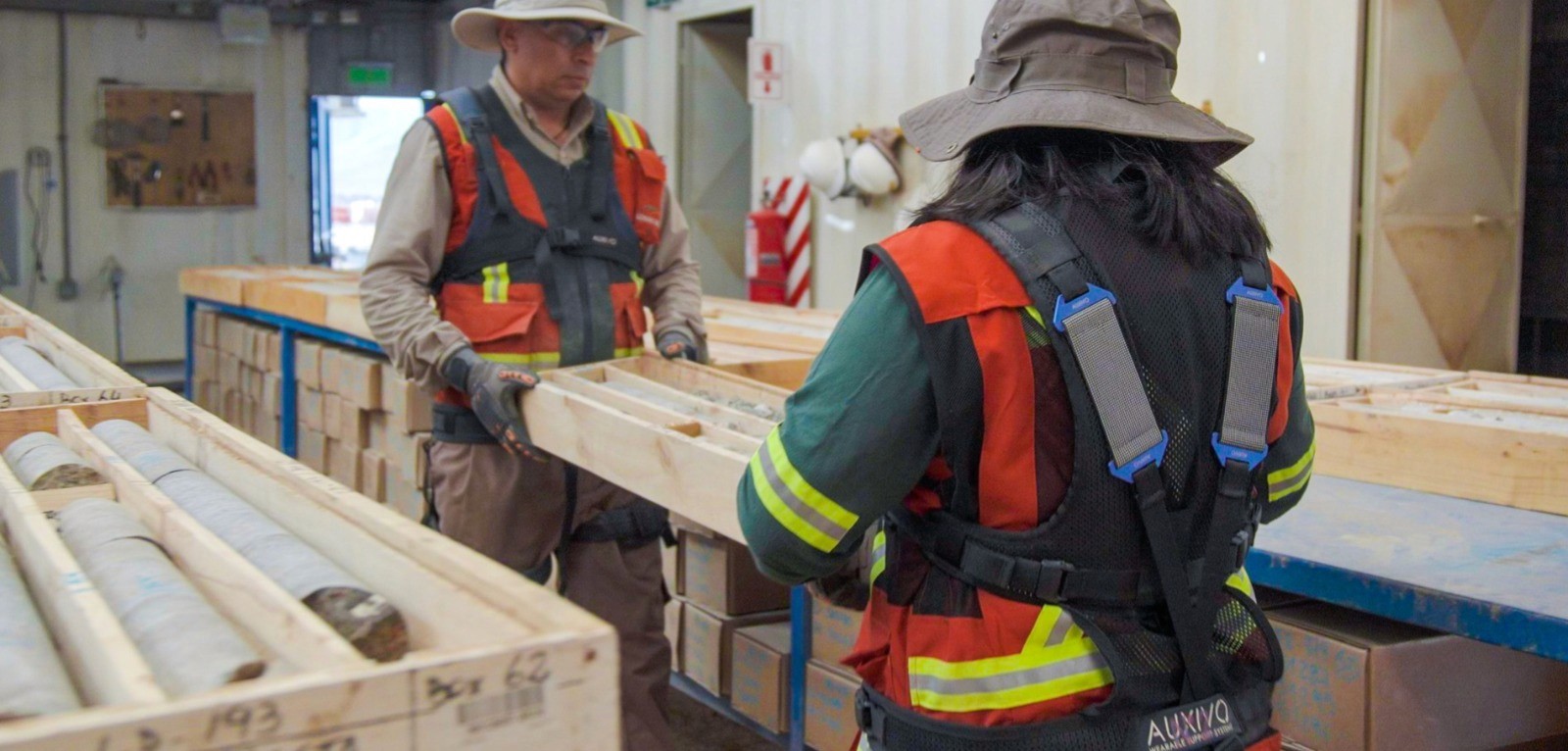
Reduce fatigue and MSDs in mining environments with the LiftSuit, a lightweight lumbar exoskeleton that reduces back effort by up to 33%.