
Mobility assistance for MS and Parkinson's
Portable exoskeleton providing motorized assistance for walking to reduce fatigue and support daily autonomy.
Discover our comprehensive guide to choosing the ideal exoskeleton. Identify your needs, evaluate the options, and enhance safety and productivity.
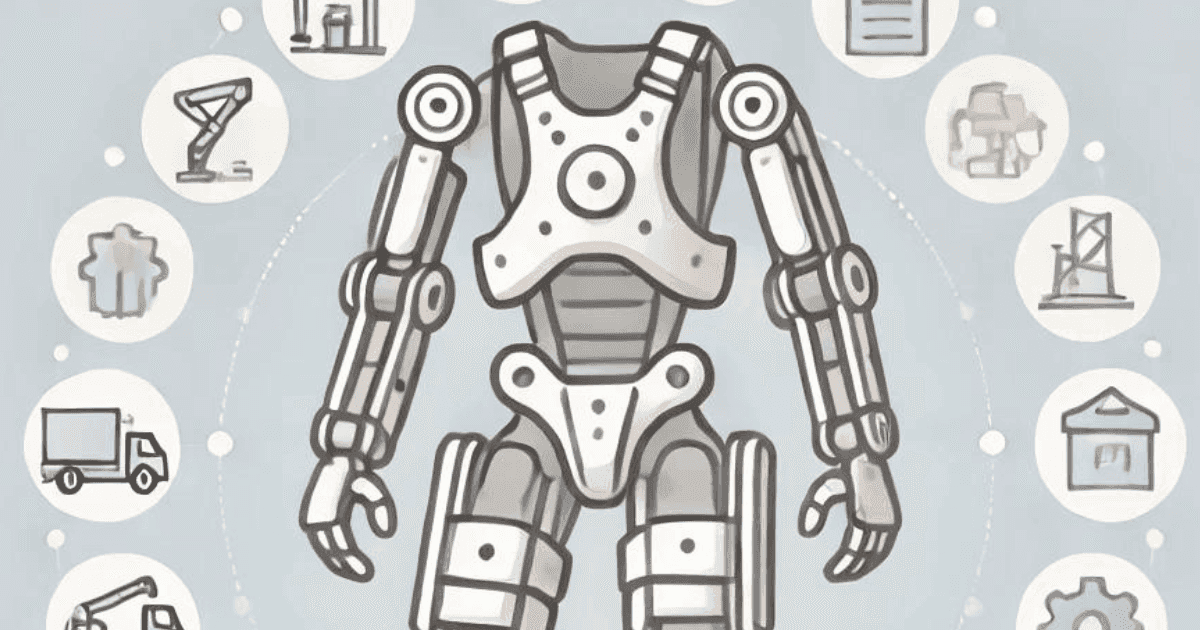
The integration of exoskeletons in work environments is becoming increasingly common, offering significant benefits in terms of productivity, injury reduction, and employee well-being. However, choosing the right exoskeleton for your business can be a complex task. This guide will help you navigate through the different options to find the model best suited to your specific needs.
The first step in choosing an exoskeleton is to fully understand the needs of your business. Ask yourself the following questions:
- What type of work is being performed? Is it primarily physical work, such as lifting heavy loads, or work that involves repetitive movements?
- What are the major injury risks? Exoskeletons can help prevent musculoskeletal disorders (MSDs) and other types of injuries. Identifying the areas of the body that are most stressed is crucial for choosing the right model.
- What is the available budget? Costs can vary depending on the type and features of the exoskeleton.
Exoskeletons can be categorized into several types, each suited to specific needs:
- Passive Exoskeletons: These models do not use external energy and are designed to support the body's natural movements. They are often used for moderate lifting tasks or to reduce fatigue.
- Active Exoskeletons: Equipped with motors or other assistive devices, these exoskeletons are designed to provide more substantial assistance, ideal for repetitive tasks or heavy loads.
Ergonomics is a key factor in choosing an exoskeleton. A well-designed model must:
- Be adjustable to fit different body types.
- Offer optimal comfort for prolonged wear without hindering natural movements.
- Be easy to put on and take off, especially if employees need to use it throughout the day.
The best way to determine if an exoskeleton is suitable for your business is to try it out. At Exoskeletons Canada, we offer trials or rental periods to allow you to test the equipment in real work conditions.
End-users should be involved in the selection process. Their feedback on comfort, ease of use, and the impact on their daily work is essential in making the right choice.
Choosing the right exoskeleton for your business requires a thorough assessment of your needs, an understanding of the different options available, and a commitment to testing the products before making a final decision. By following this guide, you will be able to integrate a technology that not only improves productivity but also protects the health and well-being of your employees.
For more information or to arrange a trial of our exoskeletons, please contact us at info@exosquelettescanada.com. We will be happy to assist you in this process.
Portable exoskeleton providing motorized assistance for walking to reduce fatigue and support daily autonomy.
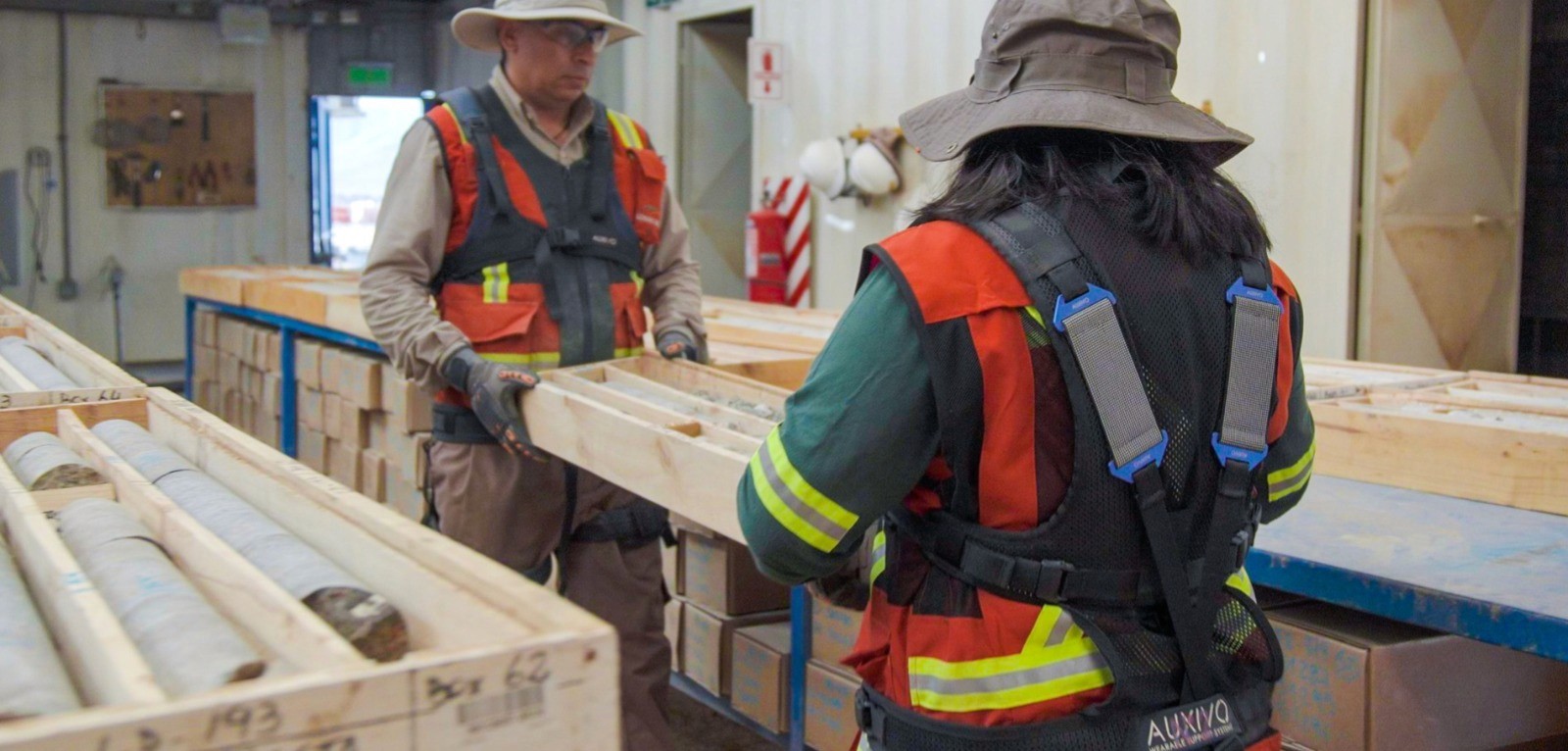
Reduce fatigue and MSDs in mining environments with the LiftSuit, a lightweight lumbar exoskeleton that reduces back effort by up to 33%.