
Mobility assistance for MS and Parkinson's
Portable exoskeleton providing motorized assistance for walking to reduce fatigue and support daily autonomy.
Discover how exoskeletons reduce fatigue and injuries in warehouses across Canada. Analysis, data, and ergonomic solutions.
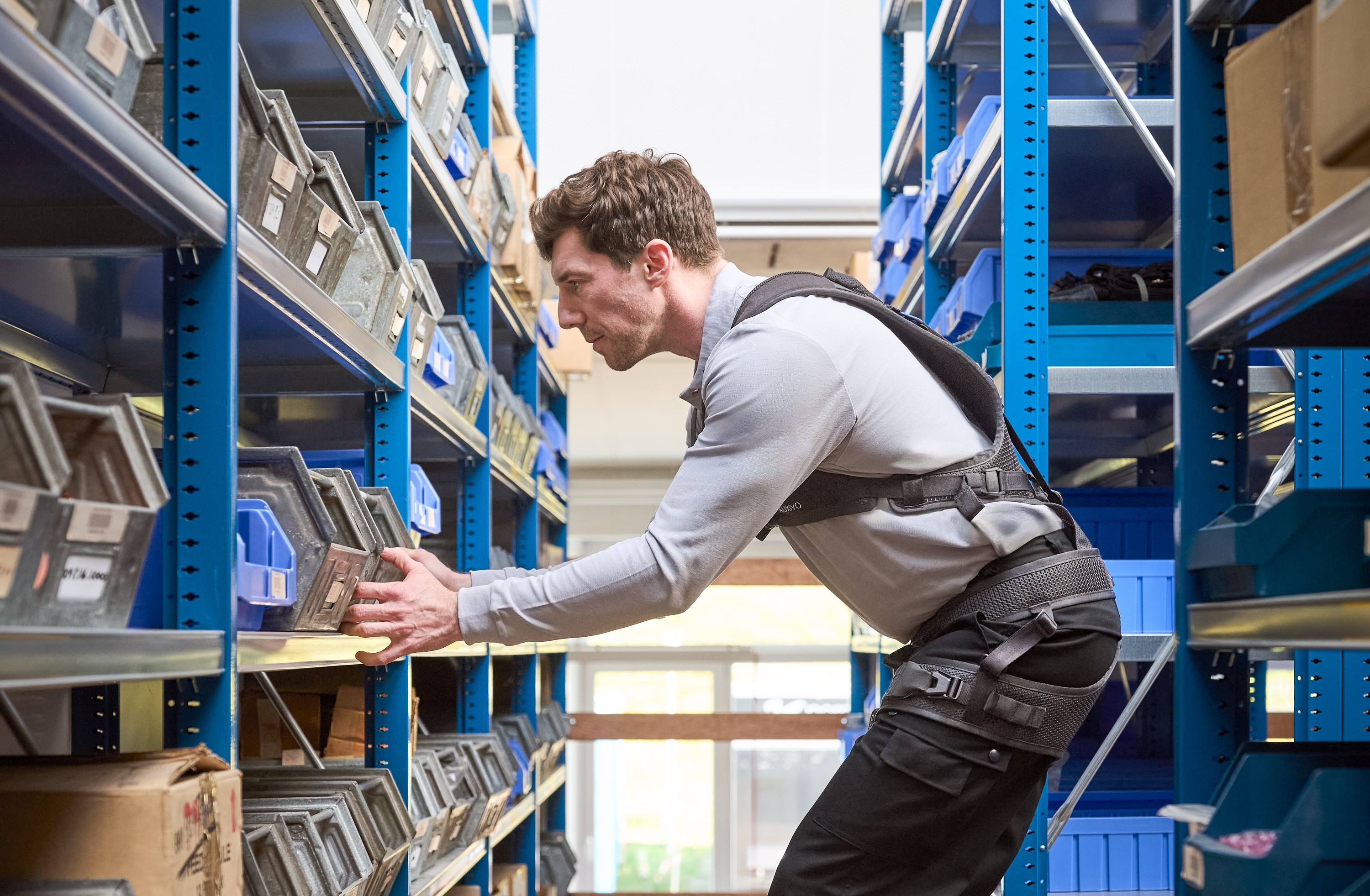
Warehouse and logistics operations in Canada have a high rate of musculoskeletal injuries (MSIs) due to repetitive movements, heavy lifting, and awkward postures. With an aging workforce and increasing pressure on productivity, many companies are turning to ergonomic technologies. Among these, industrial exoskeletons stand out as one of the most effective solutions.
This guide explains how exoskeletons reduce injuries, what Canadian companies are actually observing on the ground, and why training is essential to maximize results.
Workers in distribution centers and logistics platforms repeat hundreds of movements per shift:
repeated bending
lifting and lowering loads
prolonged static positions
walking long distances
handling bulky objects
tasks at shoulder height or above head
In Canada, over 40% of time-loss injuries involve the back, shoulders, or upper limbs. These injuries incur significant financial, operational, and human costs.
Exoskeletons such as the LiftSuit, Wave, and Japet.W+ support the body during demanding tasks. They reduce muscle load, improve posture, and decrease fatigue.
Field studies show a decrease of 25 to 30% in lumbar muscle activation, thereby reducing stress associated with bending and handling.
Exoskeletons promote safer movements, limiting compensations and excessive bending angles.
By redistributing effort, workers complete their tasks with less discomfort, reducing the accumulation of microtrauma.
Upper body models, such as the Deltasuit, reduce overload during order preparation and handling tasks.
Unlike human postures that deteriorate when fatigued, the exoskeleton provides constant support throughout the shift.
In warehouses in Ontario, Quebec, British Columbia, and Alberta, companies that have integrated exoskeletons observe:
a noticeable reduction in lumbar fatigue
an improvement in handling postures
a decrease in reported discomforts
an increase in satisfaction and well-being
an improvement in productivity in physical roles
Although official statistics are rarely shared, feedback is consistent: a decrease in micro-injuries and better overall comfort.
The benefits do not manifest on the very first day. Like any specialized equipment, the exoskeleton requires a learning period.
At Exoskeletons Canada, every trial includes:
hands-on training
a demonstration of proper techniques
personalized adjustments
on-site support
This approach ensures rapid and safe adoption.
The gains are particularly visible in the following tasks:
order preparation
repetitive handling
palletizing
handling irregular loads
long periods of standing
loading and unloading
Positions experiencing frequent lumbar or shoulder fatigue are the first to benefit from a trial.
Canadian companies often see significant improvements within the first few weeks:
fewer temporary assignments
decrease in lost hours
reduction in WSIB claims
better operational consistency
improvement in employee retention
These gains directly contribute to overall productivity.
Exoskeletons are transforming injury prevention in warehouses and logistics in Canada. By reducing muscle load, improving posture, and limiting fatigue, they support workers as much as operational performance.
Success rests on three pillars:
the right exoskeleton, adequate training, and structured support.
To plan a trial in your company, contact Exoskeletons Canada.
Portable exoskeleton providing motorized assistance for walking to reduce fatigue and support daily autonomy.
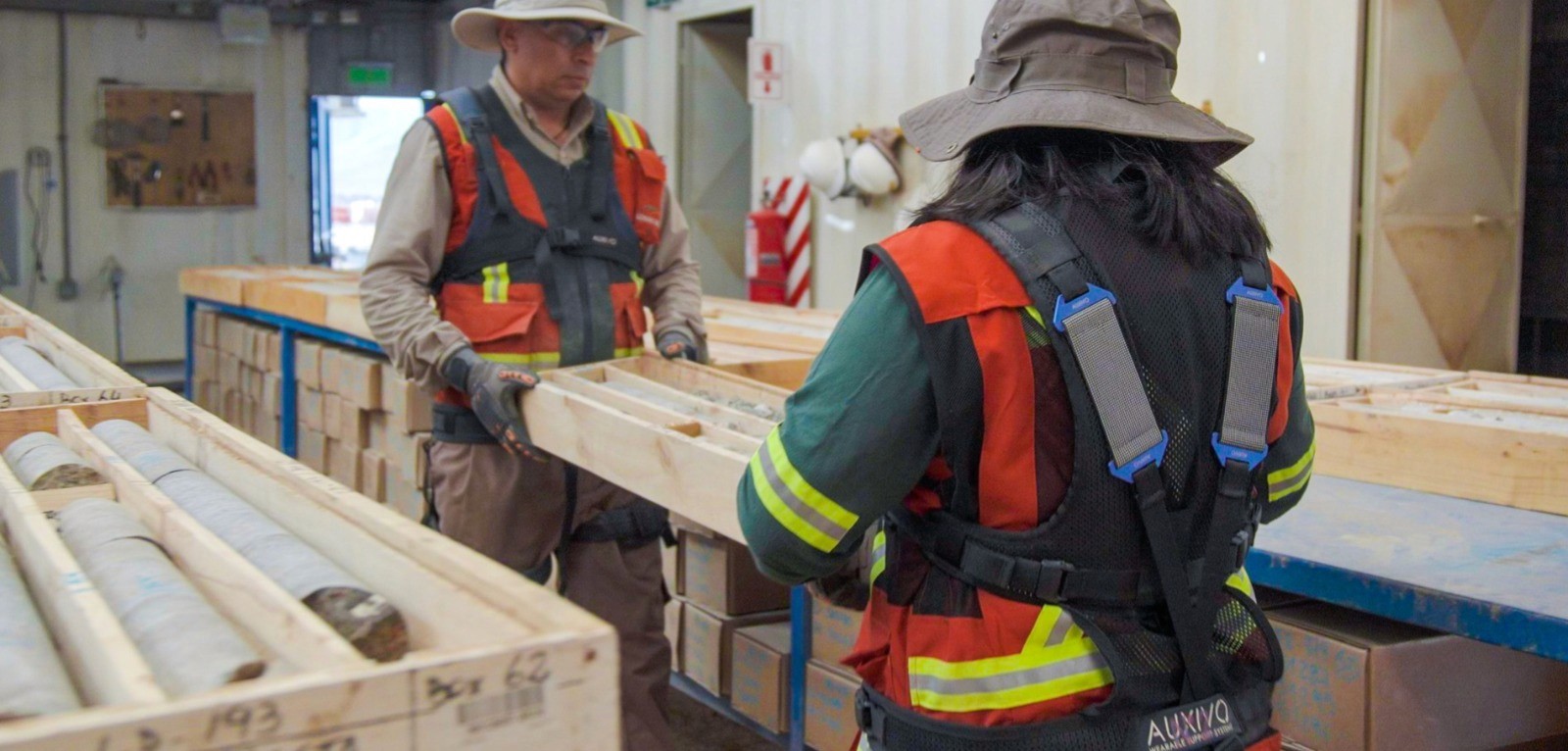
Reduce fatigue and MSDs in mining environments with the LiftSuit, a lightweight lumbar exoskeleton that reduces back effort by up to 33%.