
Mobility assistance for MS and Parkinson's
Portable exoskeleton providing motorized assistance for walking to reduce fatigue and support daily autonomy.
Discover what an exoskeleton is, how it works, and its applications to enhance physical capabilities and reduce the risk of workplace injuries.
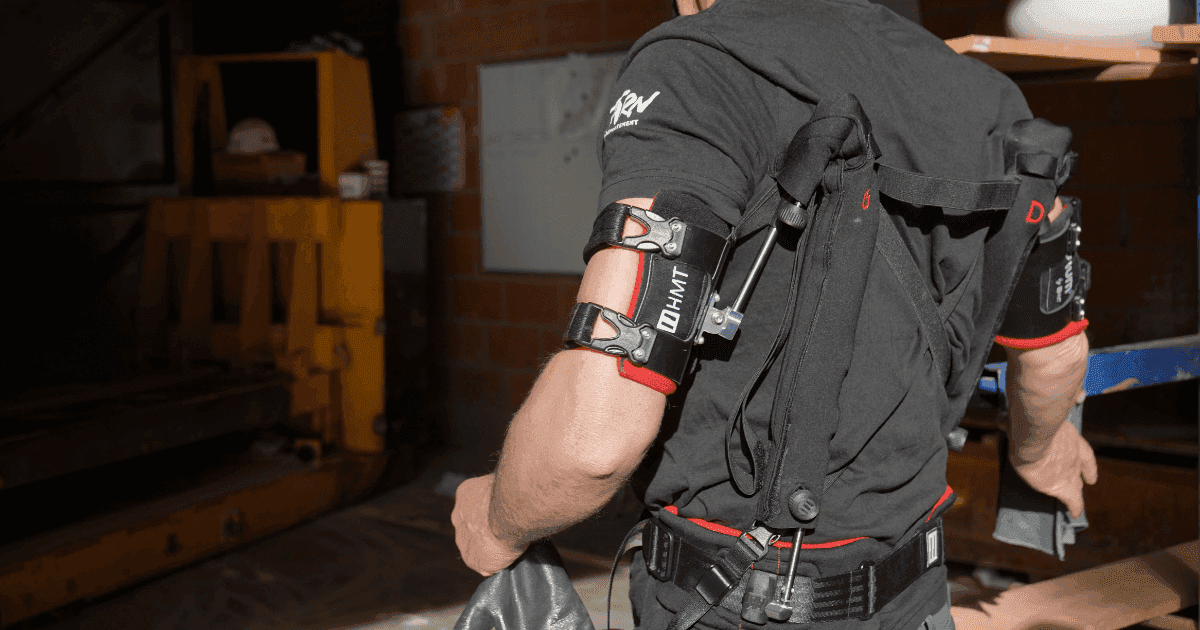
Exoskeletons are no longer science fiction. These fascinating devices are now finding their place in medicine, industry, and even the military. But what exactly is an exoskeleton? And why do we sometimes see it written as “exo-skeleton”? Let's take a moment to clarify this.
An exoskeleton is a device that is worn on the outside of the body to provide mechanical support. It is designed to enhance certain physical capabilities: strength, stability, or endurance, by aiding natural movements.
It has nothing to do with the shell of an insect, even if the term refers to that: here, we are talking about technology. Made from lightweight alloys or carbon fibers, exoskeletons aim for a simple goal: to support the human body without constraining it.
Today, there are several categories of exoskeletons, each with a specific aim:
Medical: used to help people with reduced mobility walk again or to rehabilitate after an accident.
Industrial: worn by workers to reduce effort during repetitive physical tasks or lifting heavy loads.
Military: designed to enhance the endurance and mobility of soldiers in the field.
Despite very different uses, the principle remains the same: to relieve the body so that it can go further, more safely.
The spelling “exo-skeleton” is sometimes seen, with a hyphen. This is a fairly common mistake.
The correct term is indeed exoskeleton, written as one word. It comes from the Greek exo- (“outside”) and the word “skeleton”. Together, they literally signify an “external framework”. Simple and logical.
Beneath their futuristic appearance, exoskeletons are a clever mix of sensors and motors.
The sensors detect the user's movements; the motors provide the necessary assistance, sometimes automatically adjusted in real-time.
In a factory, for example, this can mean lifting a load without straining the back. In a medical context, it allows a person in rehabilitation to gradually regain their walking reflexes.
It is not magic, but precise mechanics that extend the capabilities of the human body.
Today, exoskeletons are already helping thousands of people regain their autonomy, prevent fatigue at work, or accomplish tasks that were once impossible.
And tomorrow? Miniaturization and the arrival of artificial intelligence promise even lighter, more intuitive, and affordable devices.
Exoskeletons do not transform us into robots; they simply return to the human body what time or fatigue has taken from it.
Exoskeletons embody a beautiful alliance between science and humanity.
The next time you see this word “exoskeleton”, without a hyphen, think of all that it represents: the possibility to walk further, work more serenely, or simply feel free again in one’s movements.
Portable exoskeleton providing motorized assistance for walking to reduce fatigue and support daily autonomy.
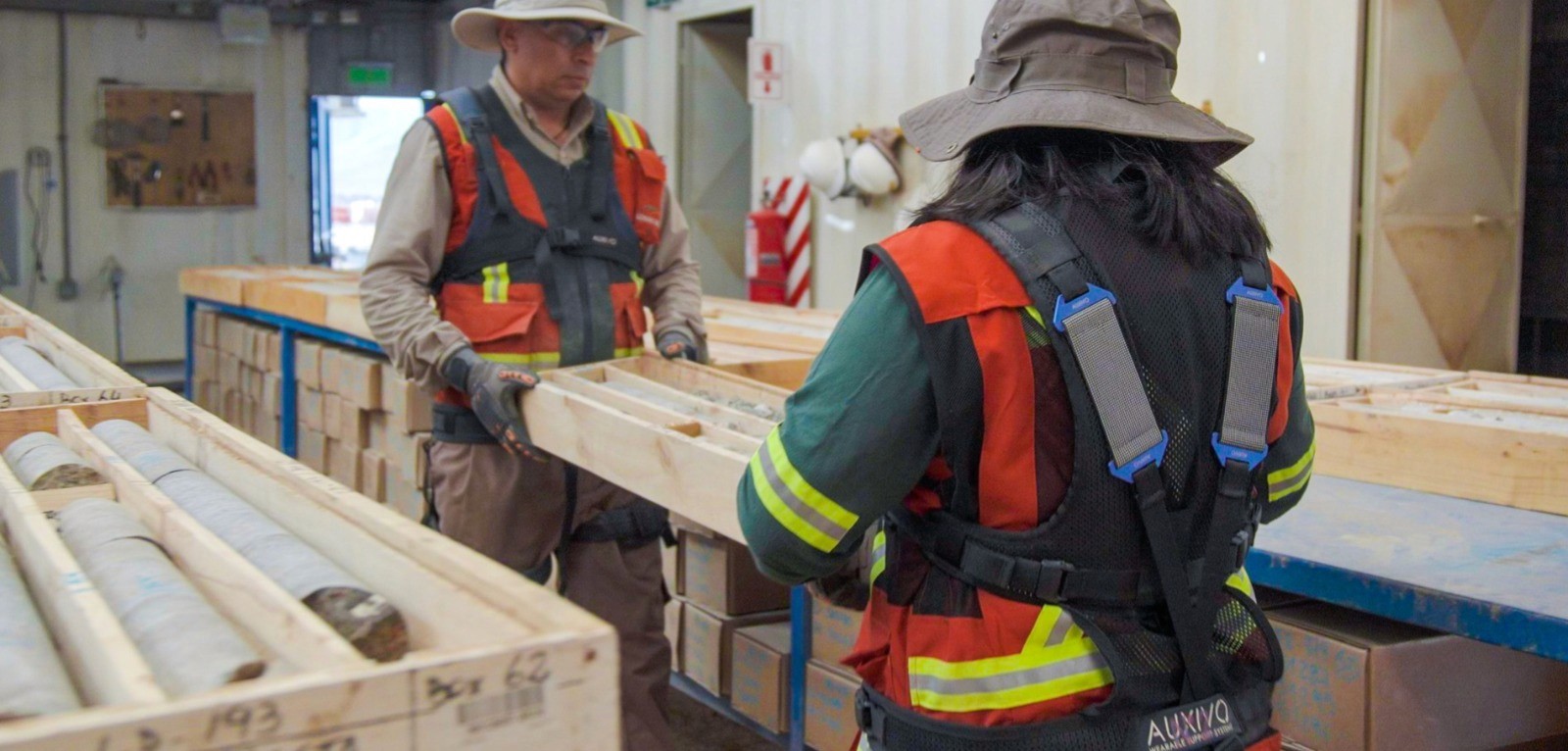
Reduce fatigue and MSDs in mining environments with the LiftSuit, a lightweight lumbar exoskeleton that reduces back effort by up to 33%.