
Mobility assistance for MS and Parkinson's
Portable exoskeleton providing motorized assistance for walking to reduce fatigue and support daily autonomy.
Discover how exoskeletons support injury prevention, productivity, and job retention in key industrial sectors in Ontario.
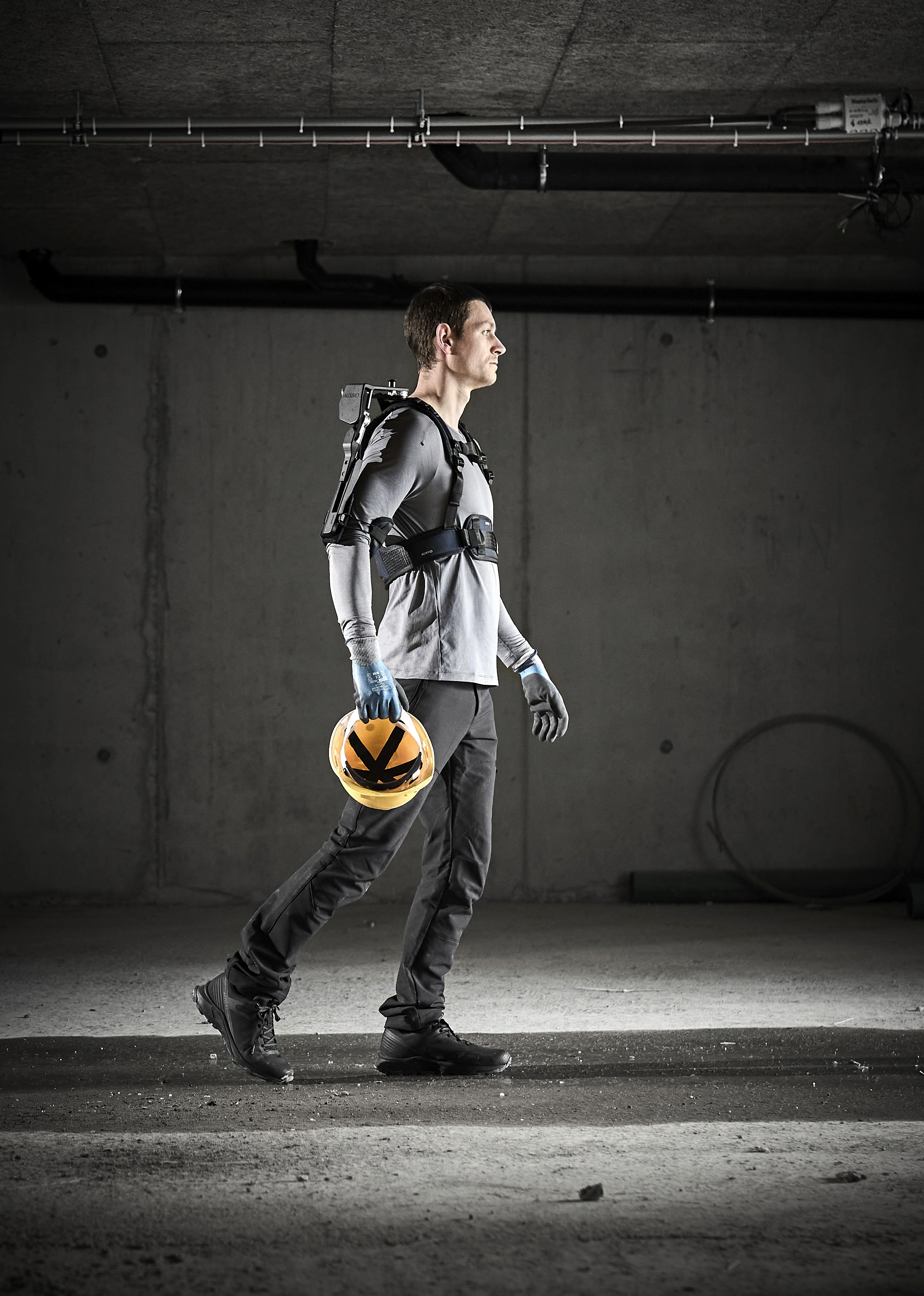
Ontario occupies a strategic place in the Canadian economy with a strong concentration of manufacturing, logistics, and construction companies. Every day, a significant number of workers are exposed to sustained physical efforts: handling loads, awkward postures, repetitive gestures, working overhead or in prolonged bent positions.
These tasks represent a major cause of musculoskeletal disorders (MSDs), which are one of the main reasons for absenteeism, CNESST/WSIB claims, and costs in health and safety at work. In this context, industrial exoskeletons stand out as a concrete and effective solution for reducing risks at the source.
This article presents the Ontario sectors that are currently benefiting the most from the integration of exoskeletons.
The growth of e-commerce in the Greater Toronto Area (Toronto, Mississauga, Brampton, Hamilton) is leading to an increased volume of manual handling.
Observed challenges:
Repeated lifting and moving of packages
Sustained pace
Prolonged bent postures
Benefits of integrating exoskeletons:
Reduction of lower back pain
Decrease in work-related back stoppages
Improvement of productivity and comfort for operators
Infrastructure sites and large-scale real estate projects exert significant physical constraints on workers.
Observed challenges:
Heavy loads
Frequent work on the ground or overhead
Repetitive movements
Benefits of integrating exoskeletons:
Reduction of muscle fatigue
Retention of experienced workers
Decrease in the risk of long-term injuries
Ontario is a major hub for automotive production and industrial transformation. Assembly and manufacturing positions involve a high degree of repetitiveness.
Observed challenges:
Handling of manual tools
Working at height at arm and shoulder level
Prolonged static postures
Benefits of integrating exoskeletons:
Targeted protection of shoulders and lower back
Reduction of chronic MSDs
Ergonomic standardization of critical positions
Inspection and assembly activities in aerospace often require awkward positions.
Benefits of integrating exoskeletons:
Increased endurance during repetitive overhead tasks
Maintenance of a stable posture in confined spaces
Reduction of muscle pain at the end of shifts
This sector involves the continuous handling of heavy panels and components, a task that is very demanding on the back and shoulders.
Benefits of integrating exoskeletons:
Load compensation during manipulation
Prevention of injuries related to repetitive movements
Increased efficiency and operational safety
Proactive prevention strategy for MSDs
Labour shortage and employment retention issues
Quick return on investment through reduced absentees
Alignment with best practices in occupational health and safety
Our team assists organizations at every stage:
Needs analysis based on risky tasks
Selection of the most suitable model(s)
Demonstrations and on-site trials
User training and post-implementation follow-up
Flexible rental or purchase options
To discuss your project:
info@exosquelettescanada.com
Portable exoskeleton providing motorized assistance for walking to reduce fatigue and support daily autonomy.
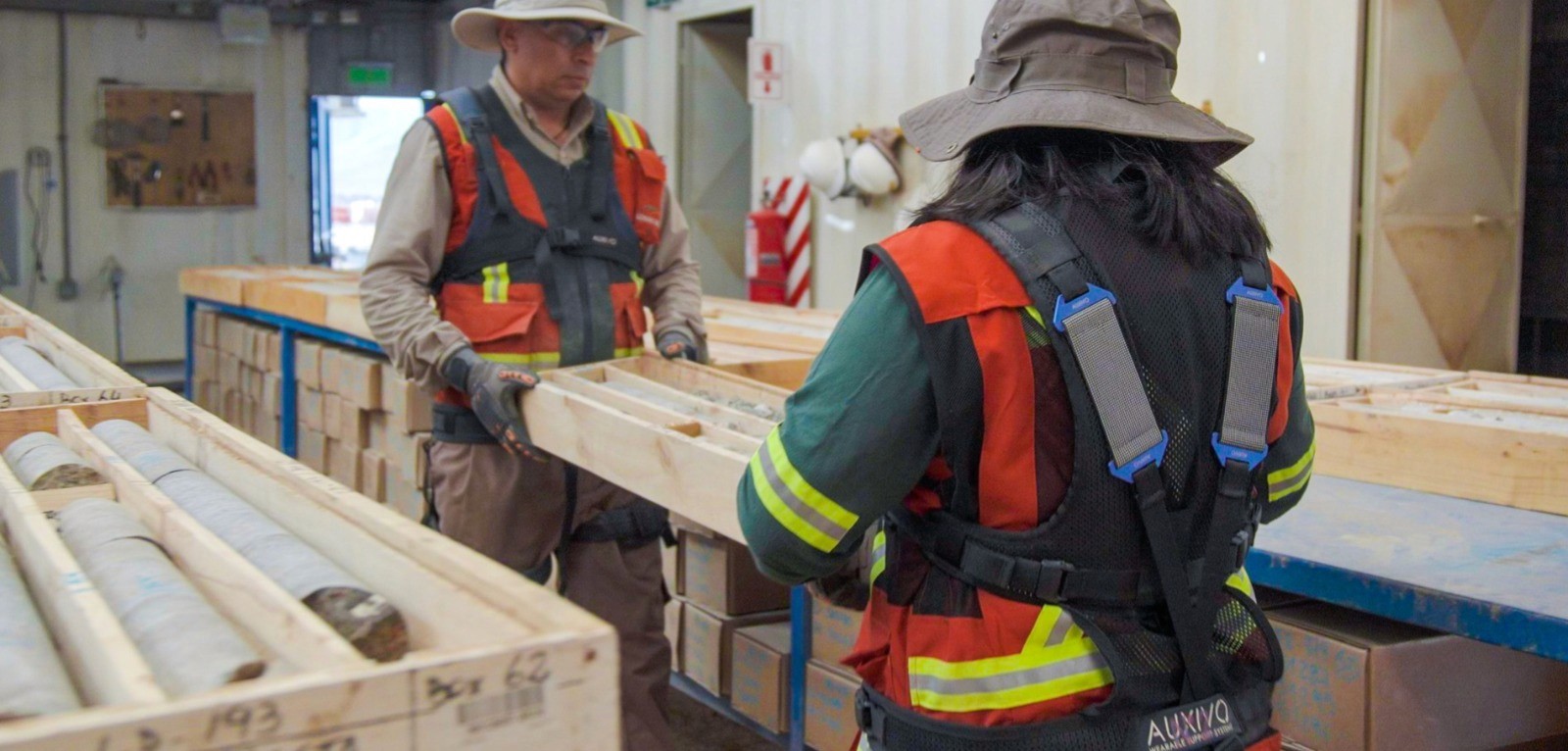
Reduce fatigue and MSDs in mining environments with the LiftSuit, a lightweight lumbar exoskeleton that reduces back effort by up to 33%.