
Mobility assistance for MS and Parkinson's
Portable exoskeleton providing motorized assistance for walking to reduce fatigue and support daily autonomy.
Discover how exoskeletons reduce injuries and fatigue at work, improving posture and muscle support for a productive environment.
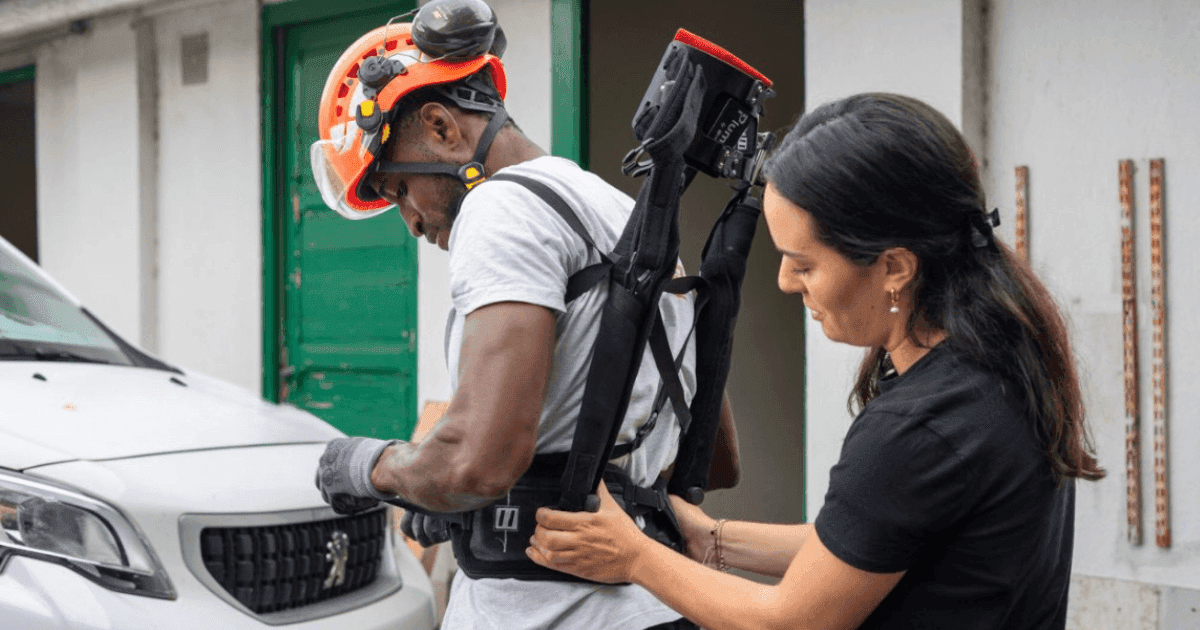
Exoskeletons, often perceived as futuristic tools, are increasingly being integrated into various professional sectors for their numerous advantages. A common myth is that using an exoskeleton reduces injuries and physical fatigue. Let’s explore how these devices can offer significant physical support, improve productivity, and reduce the risk of injuries.
One of the main advantages of exoskeletons is their ability to help support heavy loads. They are designed to redistribute weight and reduce pressure on the muscles and joints of the wearer. This feature is particularly beneficial in work environments where lifting or transporting loads is frequent, such as in construction, logistics, and warehouses.
By providing structural support, exoskeletons enable workers to lift and move heavy objects with less effort, thereby reducing the risk of muscle fatigue and overload-related injuries. Consequently, employees can perform their tasks more efficiently and safely.
Physically demanding and repetitive tasks can lead to significant muscle fatigue, affecting the performance and productivity of workers. Exoskeletons provide mechanical support to the muscles, thereby reducing fatigue associated with these activities. For example, in assembly lines where repetitive movements are common, an exoskeleton can lighten the physical load, allowing workers to maintain their performance over longer periods without feeling as fatigued.
This reduction in fatigue is essential to prevent injuries due to muscle overuse and to maintain a high level of productivity. Workers equipped with exoskeletons can therefore accomplish their tasks with increased efficiency and better endurance.
Poor posture is a common cause of musculoskeletal disorders (MSDs) and back injuries. Some exoskeletons are specifically designed to encourage correct posture during physical tasks. By supporting the back and guiding body movements, these exoskeletons help users adopt ergonomic positions, thus reducing the risk of posture-related injuries.
Improving posture through the use of exoskeletons can also contribute to increased comfort and a reduction in chronic pain among workers. This translates to a better quality of life and a reduction in work stoppages due to injuries.
The idea that exoskeletons can reduce injuries and physical fatigue is not a myth but a reality supported by growing evidence. By offering load support, reducing muscle fatigue, and improving posture, exoskeletons provide significant benefits to workers in various sectors. These innovative devices help create safer and more productive work environments while enhancing the well-being of users.
As technology continues to advance, it is likely that exoskeletons will become even more effective and accessible, transforming our approach to physical work and reducing associated risks. The widespread adoption of exoskeletons could be the key to a future where workers are protected and supported, allowing them to accomplish their tasks with less stress and fatigue.
Portable exoskeleton providing motorized assistance for walking to reduce fatigue and support daily autonomy.
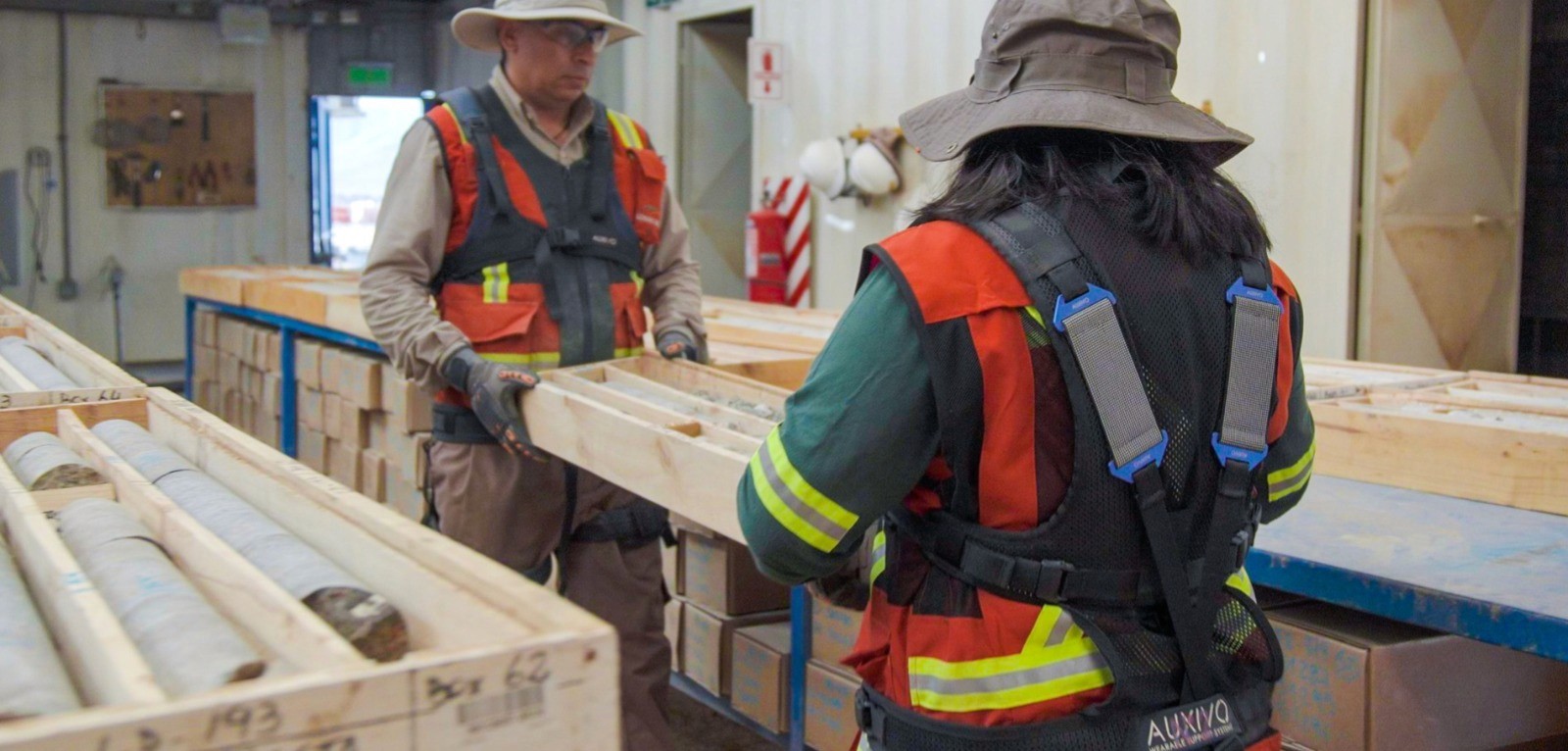
Reduce fatigue and MSDs in mining environments with the LiftSuit, a lightweight lumbar exoskeleton that reduces back effort by up to 33%.