
Mobility assistance for MS and Parkinson's
Portable exoskeleton providing motorized assistance for walking to reduce fatigue and support daily autonomy.
The 5 mistakes to avoid for successfully implementing exoskeletons in the workplace: task analysis, training, adoption, and change management.
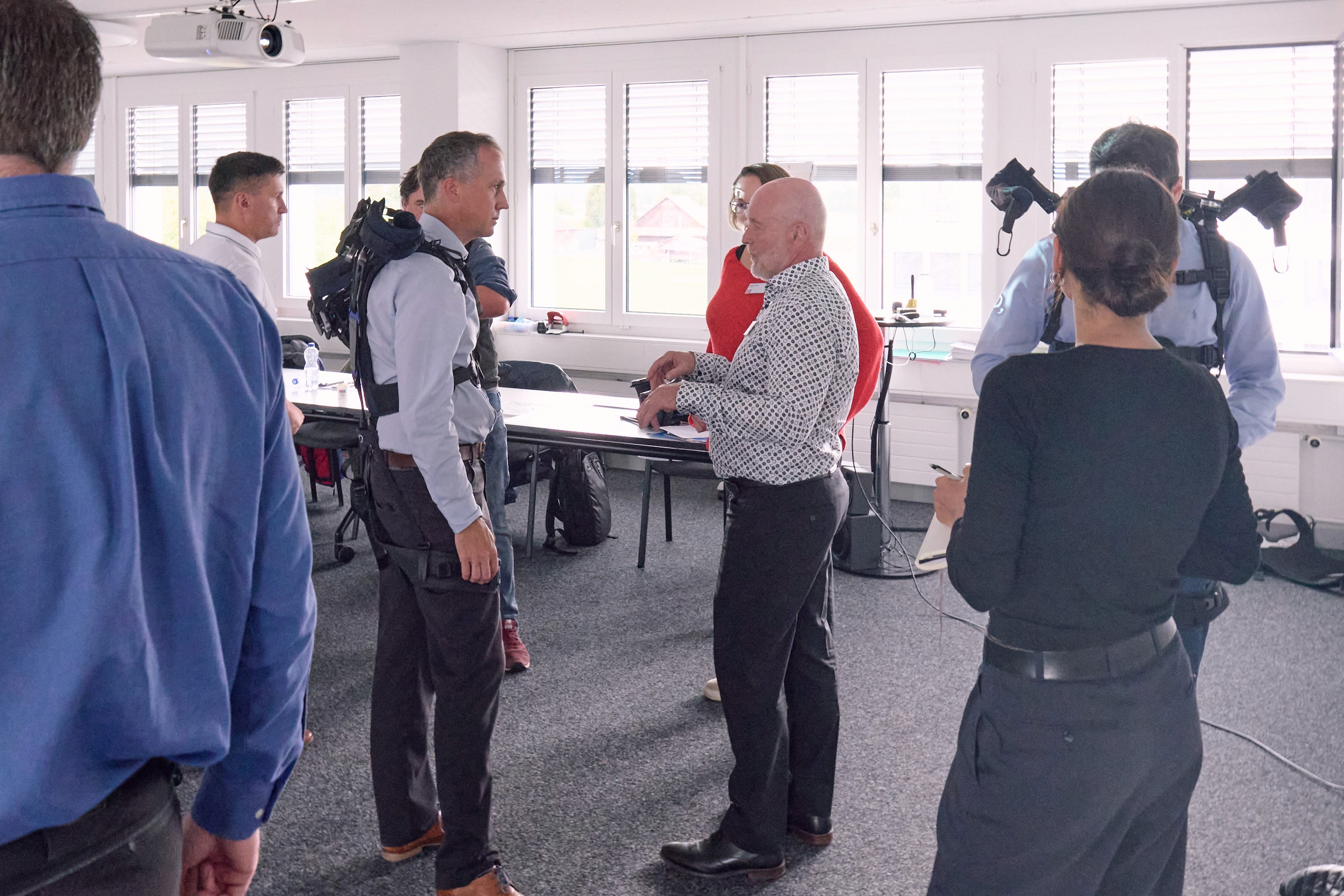
The integration of exoskeletons in industrial environments represents a proactive and effective solution to reduce musculoskeletal disorders (MSDs) and improve team performance. However, to ensure the success of the project, it is essential to adopt a structured approach.
Here are the five most common mistakes observed during the implementation of exoskeletons and how to avoid them.
A common mistake is selecting an exoskeleton based solely on a technical sheet or a quick demo.
Each position has specific risks: type of effort, frequency, posture, duration, environment, workspace.
Consequence: The exoskeleton does not provide the right support and remains underused.
Best practice:
Conduct a field assessment
Clearly define the targeted tasks
The success of the project relies on user experience.
If workers do not understand the objective or do not feel consulted, resistance to change can be significant.
Consequence: Low adoption and negative perception of the equipment.
Best practice:
Select "super-users" to test the solutions
Get their feedback during the pilot phase
Integrate frontline voices into decisions
An improperly used exoskeleton cannot deliver its full potential.
Even a passive exoskeleton requires training on adjustment, maintenance, and best practices.
Consequence: Discomfort, improper use, risk of accidents.
Best practice:
Initial training by a specialist
Clear documentation (guides, videos, etc.)
Follow-up after a few weeks of use
Jumping directly from a demonstration to a global deployment can lead to disappointments:
some positions may not be suitable or require adjustments.
Consequence: Significant investment with insufficient return.
Best practice:
Pilot phase of 4 to 12 weeks
Measure indicators: comfort, fatigue, efficiency, risk reduction
Adjustments before full deployment
An exoskeleton project is not a one-time event, but an ongoing process.
Consequence: Gradual abandonment of the equipment and a return to initial constraints.
Best practice:
Regular follow-up with users
Reevaluation of high-risk tasks
Continuous improvement plan
The implementation of exoskeletons is a sustainable strategy to improve health and performance at work.
Avoiding these five mistakes ensures a better return on investment, positive adoption by workers, and measurable reduction in MSDs.
For a successful project, a rigorous, collaborative, and well-supported approach is essential.
Our team offers:
Ergonomic assessment of tasks
Selection of models suitable for your needs
User training and follow-up
Flexible rental and purchase options
Support in measuring results
To discuss your objectives or plan a trial at your workplace:
info@exosquelettescanada.com
Portable exoskeleton providing motorized assistance for walking to reduce fatigue and support daily autonomy.
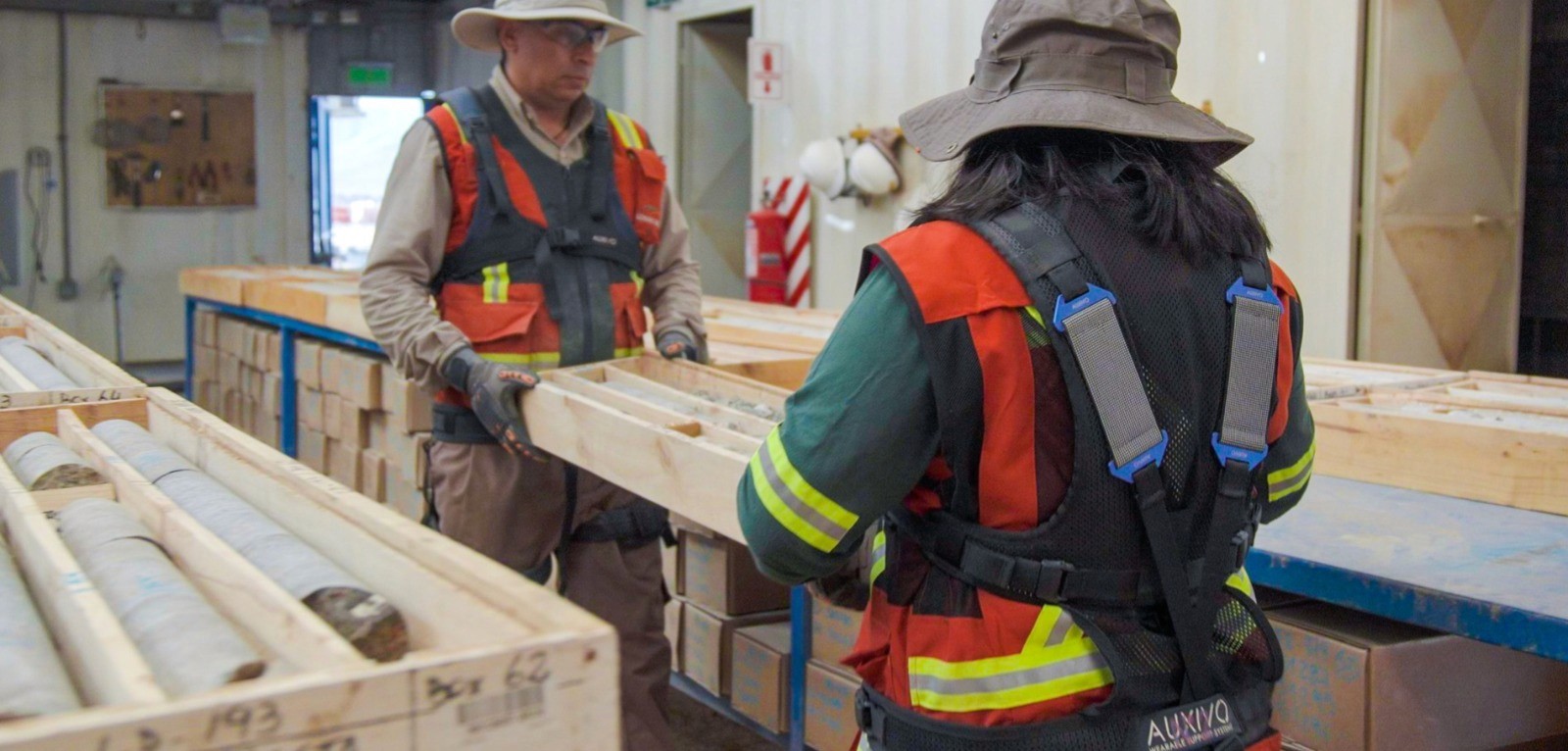
Reduce fatigue and MSDs in mining environments with the LiftSuit, a lightweight lumbar exoskeleton that reduces back effort by up to 33%.