
Mobility assistance for MS and Parkinson's
Portable exoskeleton providing motorized assistance for walking to reduce fatigue and support daily autonomy.
Discover how exoskeletons enhance safety, reduce injuries, and increase productivity in industrial environments.
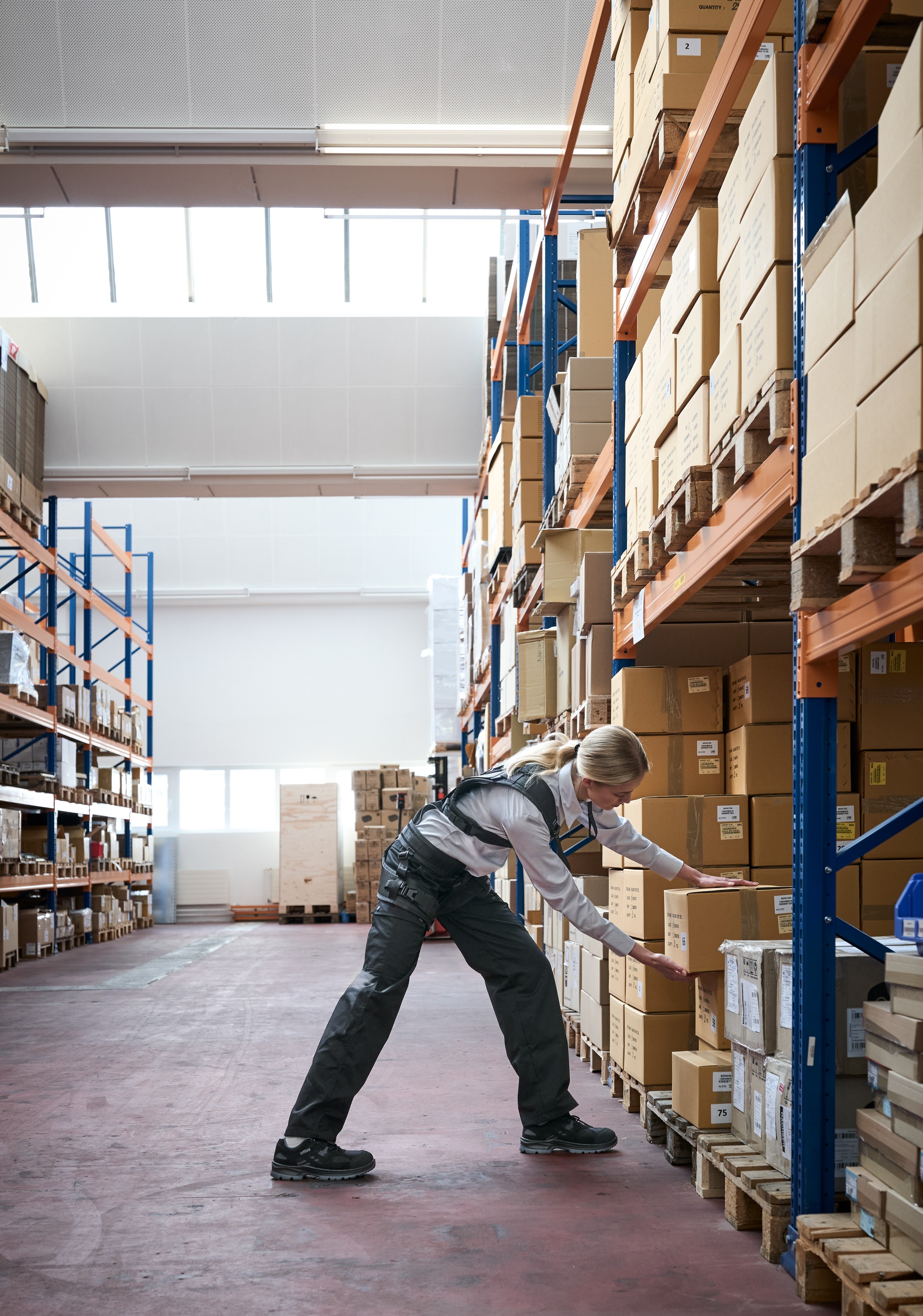
The modern industry is facing many challenges, including reducing the risk of workplace injuries, improving productivity, and maintaining employee well-being. Exoskeletons, designed to support and enhance the physical capabilities of workers, offer an innovative solution to these issues. This article explores the key benefits of exoskeletons in industrial environments and how they can transform your operations.
Musculoskeletal disorders are one of the main causes of absenteeism and workplace health-related costs. The exoskeletons at Exoskeletons Canada are specifically designed to:
Reduce the physical load on certain parts of the body, such as the back, shoulders, and knees, which are often the most strained during repetitive or lifting tasks.
Prevent injuries by providing additional support during intense or prolonged movements, thus minimizing stress on joints and muscles.
Improve the posture of workers, which reduces the risk of developing chronic pain related to poor posture or repetitive movements.
Exoskeletons not only protect workers; they can also significantly improve productivity:
Increased endurance: By reducing muscle fatigue, exoskeletons enable employees to maintain a high work pace throughout the day without exhaustion.
Reduction of downtime: Fewer injuries and fatigue lead to fewer breaks and unexpected stops, improving operational efficiency.
Optimization of performance: Exoskeletons can enable a larger number of workers to perform tasks that normally require significant physical strength, without compromising the quality of work.
Employee well-being is a crucial factor for any company seeking to attract and retain talent:
Reduction of physical stress: By decreasing the load on the body, exoskeletons allow employees to focus on their tasks with less distraction from pain or fatigue.
Psycho-social support: Knowing they are equipped with technologies aimed at protecting their health can have a positive effect on employee morale, thus creating a more positive work environment.
Increased accessibility : Exoskeletons enable individuals with different physical abilities to participate in tasks that were previously inaccessible, thus promoting greater inclusion in the workplace.
Investing in industrial exoskeletons may represent a significant initial cost, but the long-term benefits are often far greater:
Reduction of injury-related costs: Costs associated with workplace accidents, such as medical expenses and compensations, can be significantly reduced.
Less staff turnover: By reducing injuries and improving employee well-being, exoskeletons contribute to better talent retention, thus lowering recruitment and training costs.
Increase in productivity: With healthier and more productive employees, operational efficiency improves, leading to increased revenues.
Exoskeletons represent a significant advancement for companies seeking to combine productivity with worker protection. Their ability to reduce injuries, improve productivity, and support employee well-being makes them a wise investment for any modern business. By adopting this innovative technology, you can not only improve working conditions but also enhance the competitiveness of your business in the long term.
To learn more about exoskeletons or to arrange a trial, feel free to contact Exoskeletons Canada. We are here to help you choose the best solution for your needs.
Portable exoskeleton providing motorized assistance for walking to reduce fatigue and support daily autonomy.
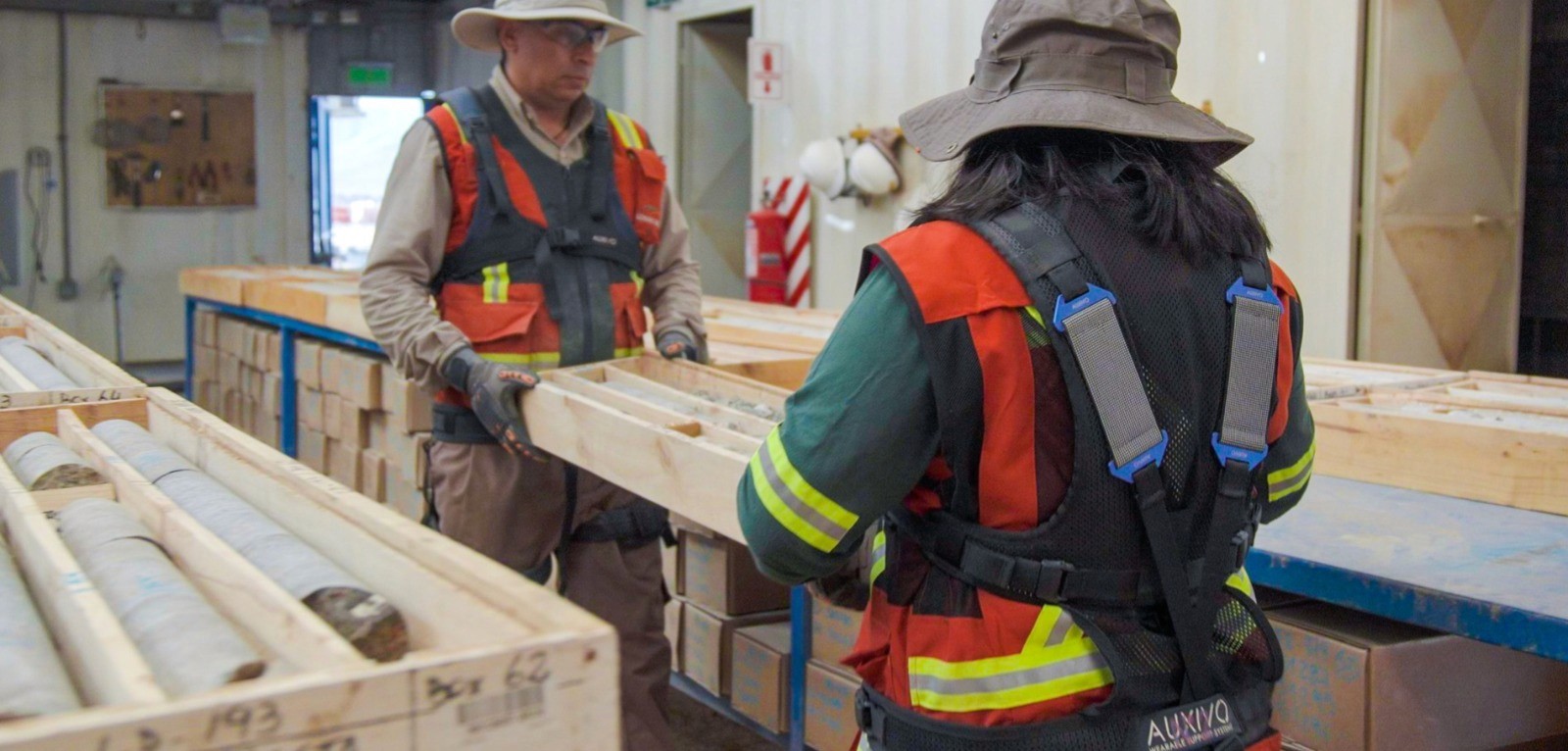
Reduce fatigue and MSDs in mining environments with the LiftSuit, a lightweight lumbar exoskeleton that reduces back effort by up to 33%.