
Mobility assistance for MS and Parkinson's
Portable exoskeleton providing motorized assistance for walking to reduce fatigue and support daily autonomy.
The results of an exoskeleton depend as much on the training as on the product itself. Discover how to fully harness its potential.
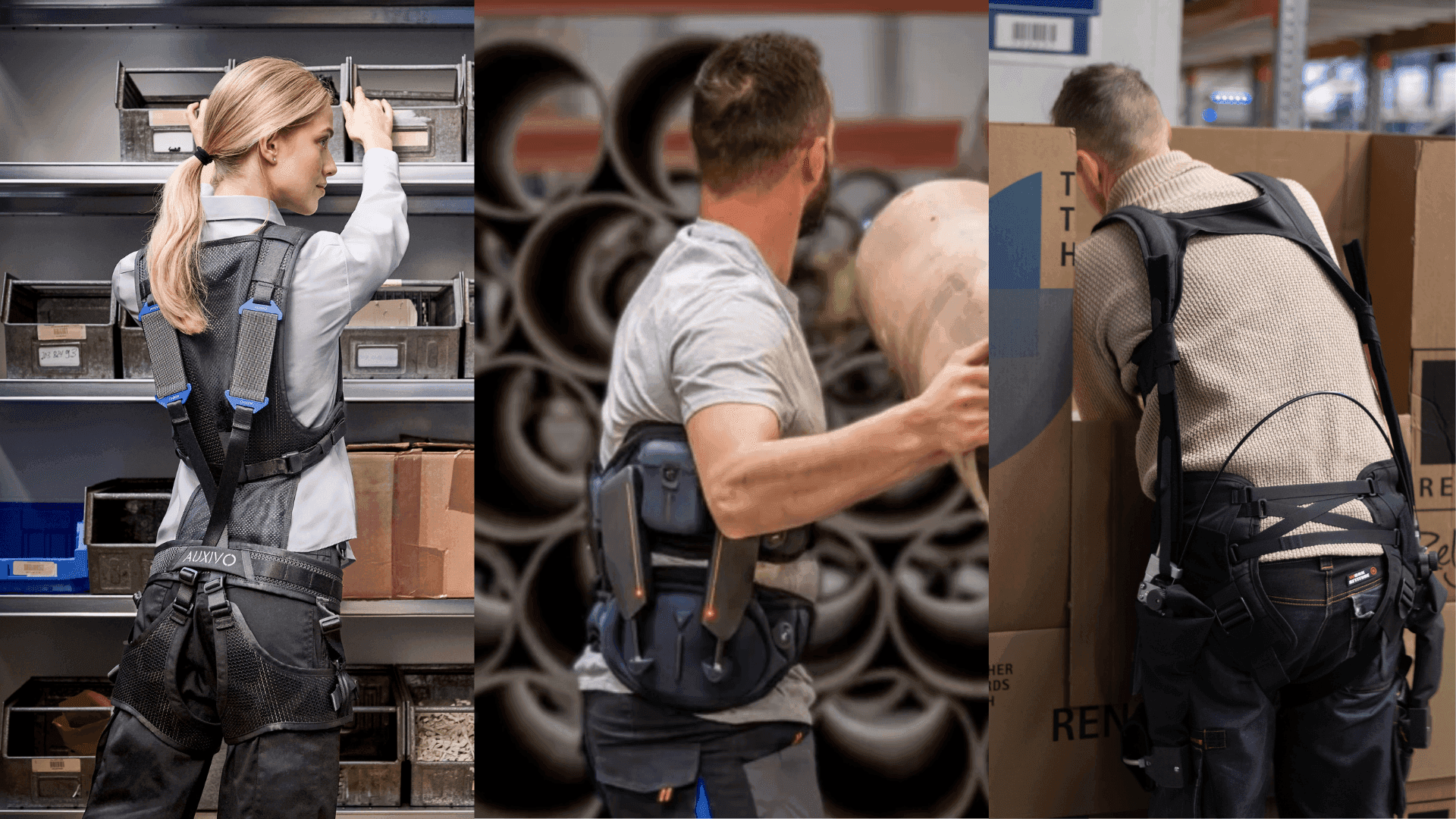
Exoskeletons are now seen as a concrete solution to reduce fatigue and prevent musculoskeletal disorders (MSDs) in industrial and mechanical environments. However, one crucial piece of information is often overlooked: the effectiveness of an exoskeleton does not become apparent on the very first day. Just like a new tool or specialized equipment, its full potential is reached through experience, practice, and proper support.
When a worker tries an exoskeleton for the first time, they discover a new way to move, crouch, lift, or maintain a position. It takes some time for the body to adapt and for the right reflexes to settle in.
Studies conducted in the field show that after just a few sessions of use, users experience:
Better synergy between their natural movement and the support of the exoskeleton;
Increased reduction of muscular strain, particularly in the back;
And above all, greater ease in repetitive tasks.
In summary, the effectiveness of the exoskeleton increases over time. It is not a magical short-term solution, but a genuine long-term work partner.
To ensure successful integration, training plays an essential role.
At Exoskeletons Canada, every trial or purchase project includes practical training aimed at:
Explaining the operation and settings of the product;
Demonstrating the right movements to maximize support;
Offering adjustment advice based on body shapes and tasks.
This learning phase helps transform the exoskeleton into a natural ally rather than just additional equipment.
In warehouses, employees perform physically demanding tasks every day: handling boxes, preparing orders, repetitive movements, and prolonged postures. These movements, often repetitive and constraining, put significant strain on the lower back and shoulders.
Companies that integrate exoskeletons like the LiftSuit, the Wave, and the Japet.w+ into their operations quickly notice:
A marked reduction in lower back fatigue at the end of shifts;
An improvement in posture during handling and repetitive movements;
An increase in employee satisfaction and productivity, as they feel better supported and less exhausted.
Real change occurs when the exoskeleton becomes a work reflex, seamlessly integrated into the daily routine. This is precisely where training and support make all the difference.
The exoskeleton must integrate into the worker's daily life, not the other way around.
This is why personalized support, provided by an ergonomist or prevention specialist, allows:
Choosing the right model according to needs (back, arms, neck, etc.);
Adjusting the settings according to the tasks;
Objectively evaluating the results: comfort, fatigue, performance.
Such an approach ensures a quick return on investment, better employee adoption, and sustainable results.
Adopting an exoskeleton is good. Training users to use it effectively is what turns technology into a true human and operational advantage.
In warehouses, distribution centers, and the logistics sector, the key to success lies in a simple combination: the right exoskeleton, appropriate training, and rigorous support.
Exoskeletons Canada offers guided trials including training, support, and personalized follow-up.
info@exosquelettescanada.com
www.exosquelettescanada.com
Portable exoskeleton providing motorized assistance for walking to reduce fatigue and support daily autonomy.
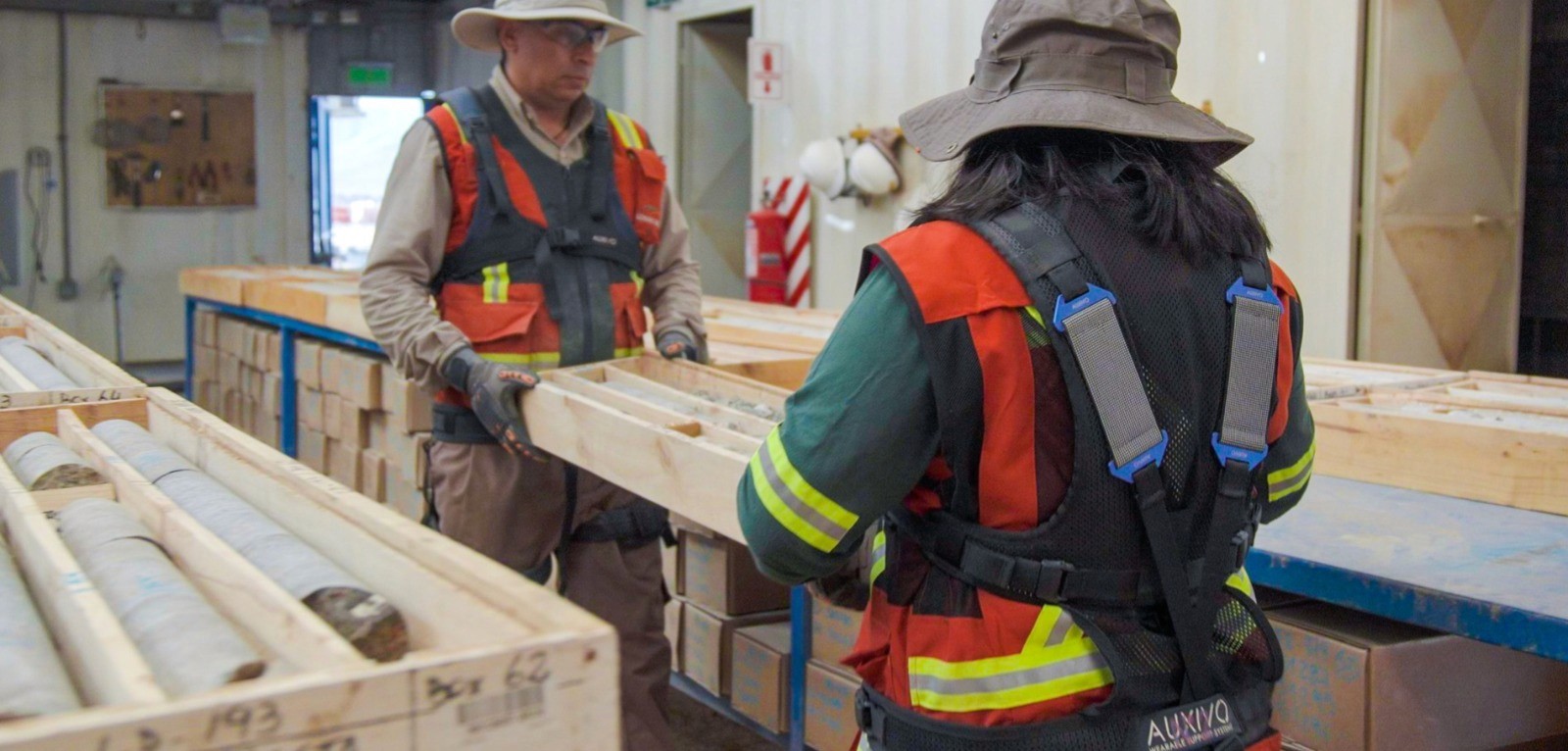
Reduce fatigue and MSDs in mining environments with the LiftSuit, a lightweight lumbar exoskeleton that reduces back effort by up to 33%.