
Mobility assistance for MS and Parkinson's
Portable exoskeleton providing motorized assistance for walking to reduce fatigue and support daily autonomy.
Discover the price of industrial exoskeletons in 2026: from $1,000 to $9,000, with an average of $2,000 to $3,000 depending on the models.
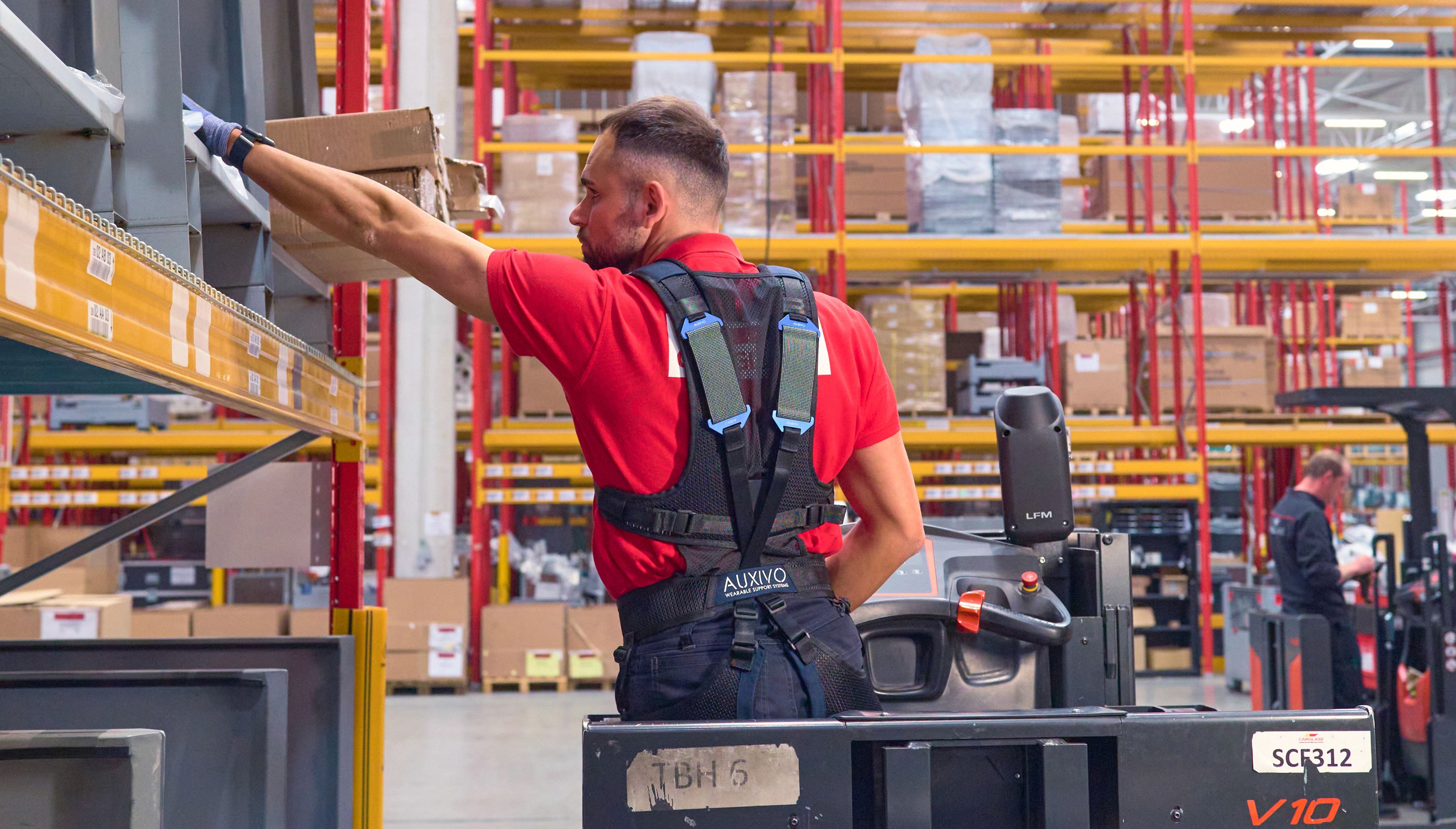
Industrial exoskeletons are taking up more and more space in the workplace, particularly in the construction, logistics, manufacturing, and mining sectors. In light of this growing adoption, a question often arises: what is the price of an industrial exoskeleton in 2026?
Today, exoskeletons are much more accessible than they used to be. In 2026, prices generally range from $1,000 to $9,000, depending on the type of product and the technology used.
However, the majority of exoskeletons used in the workplace fall within an average range of $2,000 to $4,000, making them increasingly relevant for companies looking to improve the health and safety of their workers.
The cost of an exoskeleton depends on several factors. First, the type of technology plays an important role. Passive models, which do not use a motor, are generally more affordable. In contrast, motorized exoskeletons offer more advanced assistance but come at a higher cost.
The area of the body supported also influences the price. An exoskeleton designed for the neck will generally be simpler and less expensive than a model for the back or arms, which must provide more significant support and adapt to complex movements.
The performance level and comfort are also key elements. Lighter, better-fitted products that are easy to use will often have a higher cost, but they will also be better accepted by workers on the ground.
Beyond the purchase price, exoskeletons should be considered an investment. They notably help reduce musculoskeletal disorders (MSDs), decrease work stoppages, and improve productivity.
In many cases, companies see a rapid return on investment, especially when exoskeletons are integrated into repetitive or physically demanding tasks.
Since every work environment is different, it is often recommended to test exoskeletons before making a purchase.
Real-world trials help validate the product's suitability, ensure acceptability among workers, and choose the model best suited to the specific needs of the company.
In 2026, industrial exoskeletons offer an accessible and effective solution for improving working conditions. With prices ranging from $1,000 to $9,000, and an average around $2,000 to $4,000, they represent a concrete option for companies looking to reduce injuries and optimize performance.
However, the choice of the right exoskeleton will depend on the tasks to be accomplished, the type of support sought, and the organization's objectives.
At Exoskeletons Canada, we assist companies in selecting and integrating exoskeletons based on their on-the-ground reality.
Do not hesitate to contact us to schedule a demonstration, a trial, or to receive personalized recommendations.
Portable exoskeleton providing motorized assistance for walking to reduce fatigue and support daily autonomy.
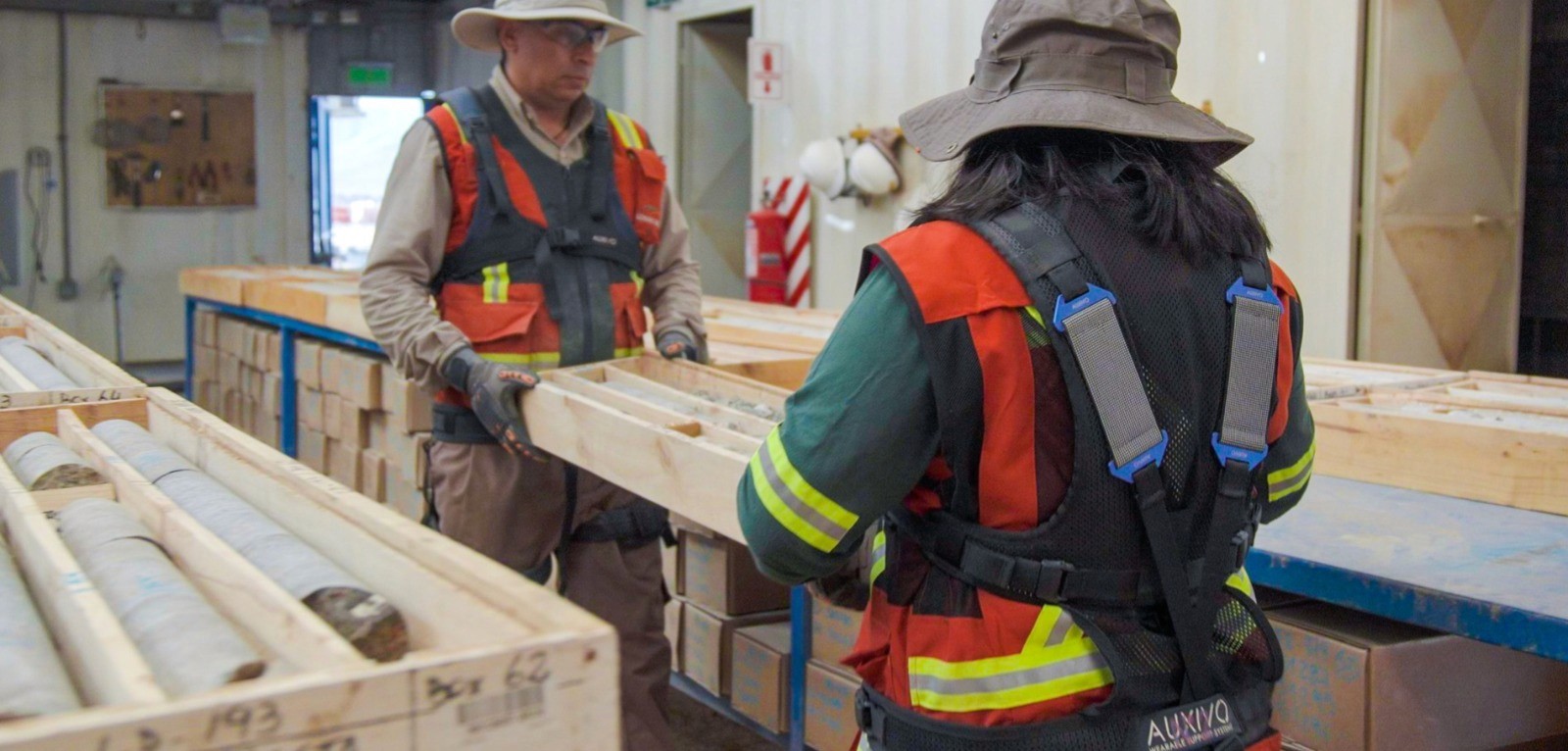
Reduce fatigue and MSDs in mining environments with the LiftSuit, a lightweight lumbar exoskeleton that reduces back effort by up to 33%.