
Mobility assistance for MS and Parkinson's
Portable exoskeleton providing motorized assistance for walking to reduce fatigue and support daily autonomy.
Exoskeletons reduce fatigue and injuries, improve productivity, and offer a quick return on investment in industrial environments.
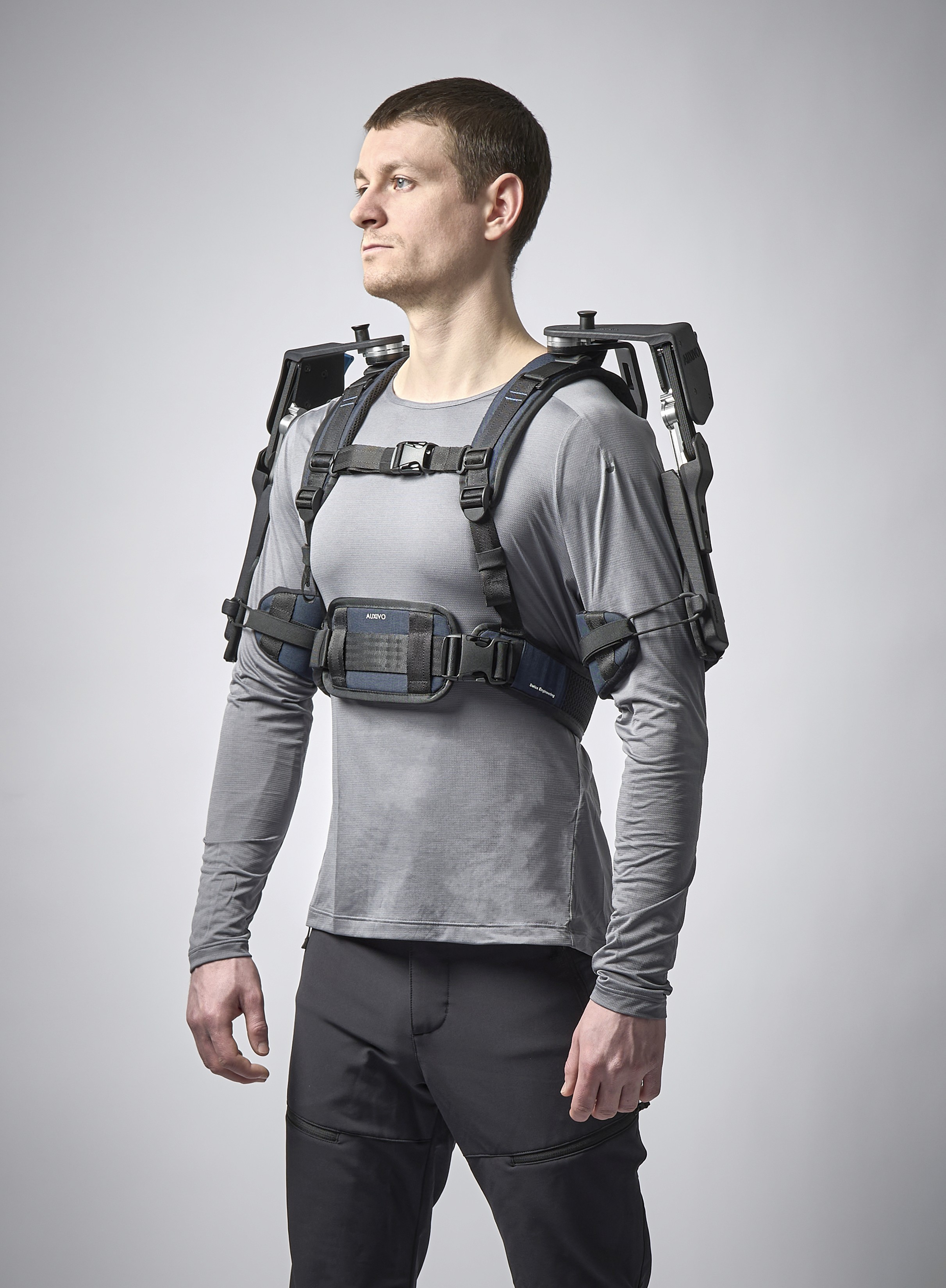
Repetitive tasks with raised arms, such as high assembly, sanding, or industrial painting, are among the most physically demanding. They often cause shoulder pain, significant fatigue, and even chronic injuries. More and more companies like Toyota, Boeing, or IKEA are investing in passive exoskeletons to improve the health and productivity of their employees. Are these devices cost-effective? The answer is clearly yes.
At Boeing, some teams recorded zero shoulder injuries after adopting arm-assist jackets. Ford observed up to a 90% reduction in ergonomic issues at raised arm workstations. IKEA, for its part, improved operator posture by 65%, significantly reducing pressure on the spine.
These improvements directly translate into fewer work stoppages, lower injury-related costs, and a safer environment for teams.
Exoskeletons for arms can reduce the perceived load by 5 to 8 kg during repetitive tasks. As a result: operators feel up to 55% less fatigue at the end of their shift. Many report being able to finally finish their day with enough energy to enjoy their personal lives, a real change in their daily routine.
Less fatigued, employees work with more consistency, take fewer breaks, and maintain their concentration longer. Warehouse trials have shown an average productivity increase of 8% with the use of passive exoskeletons on certain physical tasks.
From a financial perspective, purchasing an exoskeleton is quickly cost-effective. Preventing just one serious injury can save between $20,000 and $50,000 in direct costs. In some cases, companies have recouped their investment in less than 6 months, with a return on investment estimated at 13 to 1 over five years.
Far from being a mere gadget, the passive exoskeleton for working with raised arms is a concrete, effective, and cost-efficient solution for companies. It protects workers, improves their comfort, reduces injuries, and increases productivity, all at an extremely low cost of use. A human, useful, and sustainable technology.
Portable exoskeleton providing motorized assistance for walking to reduce fatigue and support daily autonomy.
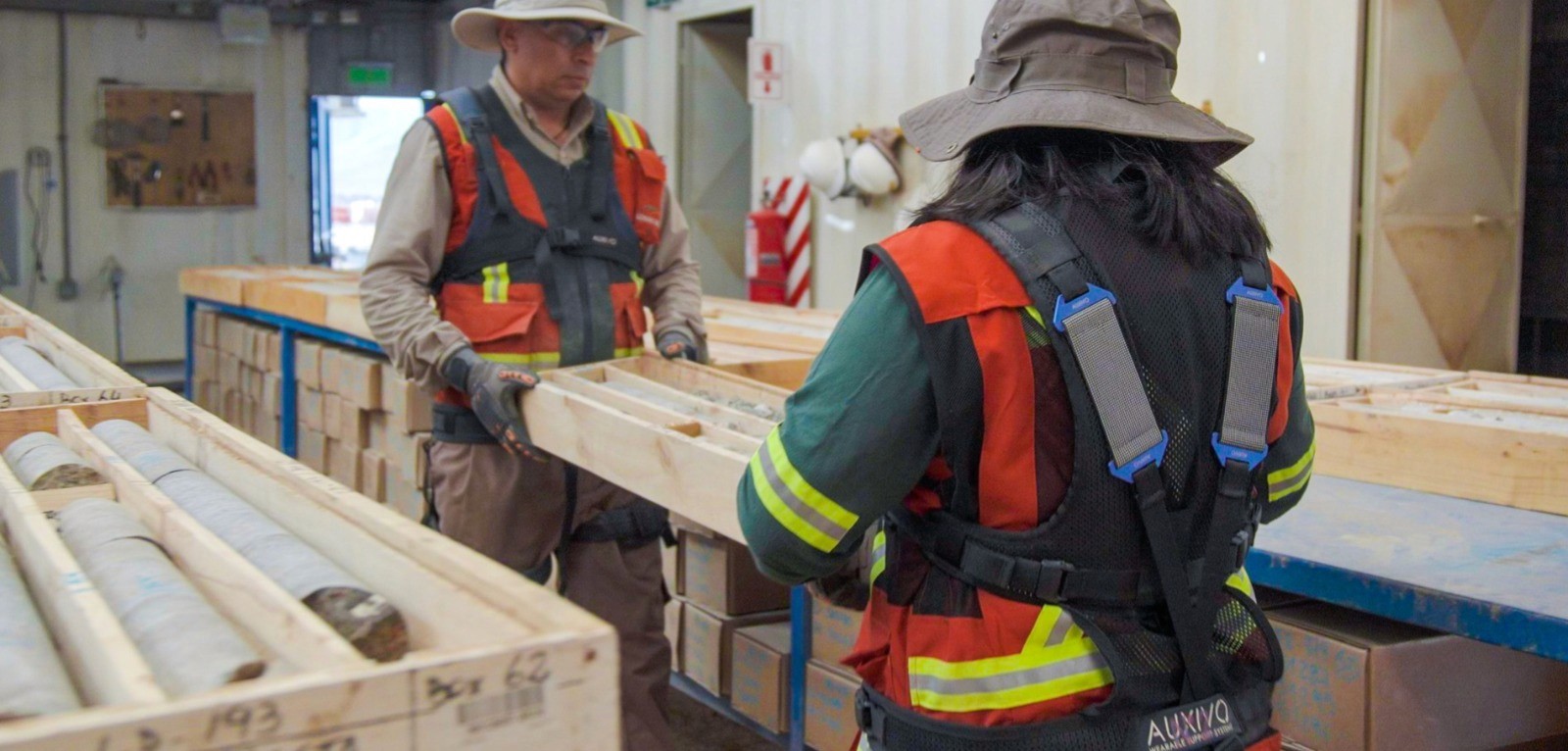
Reduce fatigue and MSDs in mining environments with the LiftSuit, a lightweight lumbar exoskeleton that reduces back effort by up to 33%.